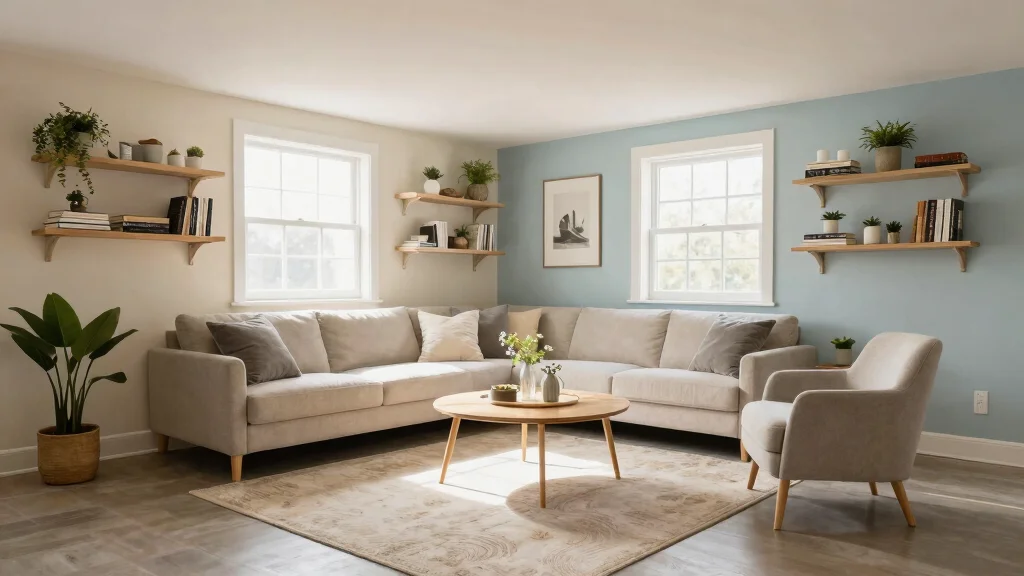
Creating a cozy and inviting space in a low ceiling basement can feel like a daunting challenge. You might be wondering how to make the most of a space that often feels cramped and dark. That’s why I put together this guide—because every basement has potential, and I want to help you unlock yours. Whether you’re looking to create a functional home office, a cozy lounge, or an extra bedroom, there are plenty of low ceiling basement ideas that can transform your subterranean space into a welcoming sanctuary.
If you’re a homeowner, renter, or DIY enthusiast who struggles with small spaces, this post is for you. You likely care about maximizing your living area while maintaining style and comfort. I understand that you want practical solutions that don’t just fill up space but actually enhance your lifestyle. In this blog post, you’ll discover 18 creative ideas to make your low ceiling basement feel more spacious, airy, and inviting. From clever lighting solutions and light color palettes to space-saving furniture and organization tips, you’ll find actionable advice to create a basement that feels like an extension of your home rather than an afterthought.
Get ready to dive into a wealth of tips and tricks that will help you rethink your low ceiling basement. You’ll learn how to use color and light to create an airy feel, find the best furniture for tight spaces, and explore clever design strategies to make the most of what you have. Let’s transform your basement into a bright and inviting area you can truly enjoy.
Key Takeaways
– Light Color Palettes: Using light colors can create the illusion of spaciousness, making your basement feel more open and inviting.
– Basement Lighting Solutions: Effective lighting can brighten up your space. Consider layered lighting to enhance visibility and warmth.
– Space-Saving Furniture: Choose multi-functional furniture that can serve more than one purpose, maximizing the utility of your basement.
– Creative Ceiling Design Tips: By altering the ceiling design, such as adding beams or using paint, you can draw the eye upward, making the space feel larger.
– Basement Organization Strategies: Implementing smart storage solutions like open shelving will help keep your basement organized while freeing up valuable floor space.
Recommended Products

【Energy Saving & 3 Color Modes】Equivalent to a traditional 100W two-bulb, Hepside LED disc flush mount ceiling light only has 15W(1500 lumens) low power consumption, which can save on your home electricity bills by replacing your old lighting fixtures . In addition, our flush mount ceiling light adopts advanced color temperature adjustable chip with 3 color temperatures (Warm White 3000K, Natural White 4000K, Daylight White 6500K)

【Super Bright,Less Energy】 This high-quality LED ceiling light features 1500lm brightness, equivalent to a 90% energy saving compared to traditional lights. With a low power consumption of only 16W, it can significantly reduce your home electricity bills.

VERSATILE CEILING LIGHT FIXTURE: The Lithonia Lighting FMLWL LED wraparound delivers bright, even illumination with equivalent light output to traditional 2-lamp T8 wraparound for offices, closets, bathroom light fixtures, LED shop lights, and garages
1. Light Color Palettes for an Airy Feel
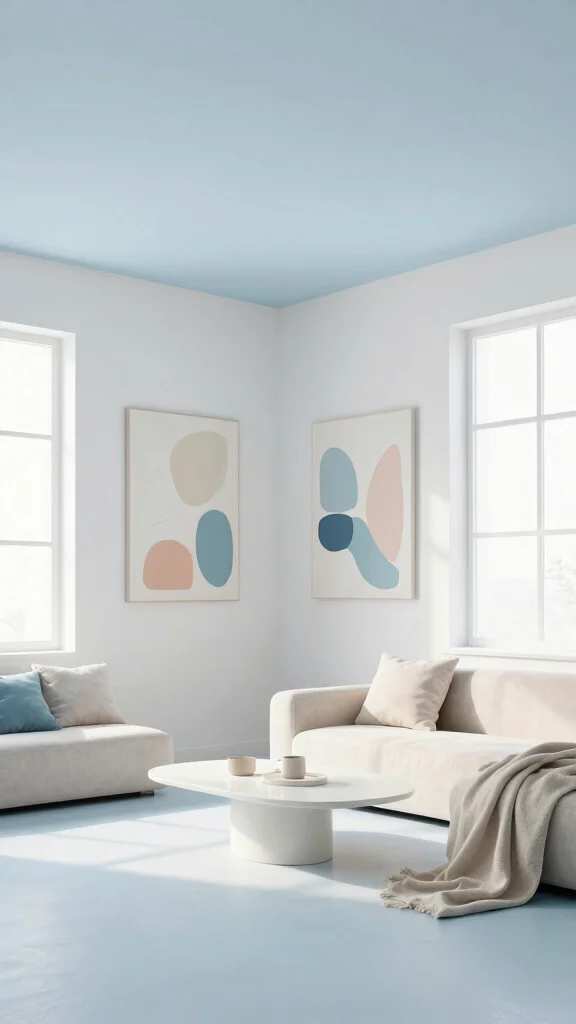
Embracing light color palettes is a wonderful way to enhance the ambiance of your low ceiling basement. Soft whites, gentle blues, and delicate pastels reflect light effectively, fostering an airy and expansive feel. Using matte finishes for your walls paired with semi-gloss trims can amplify this effect, creating a bright and inviting atmosphere. For instance, consider a serene pale blue wall with crisp white trim to evoke tranquility and spaciousness.
To achieve this look, focus on incorporating whites and creams into your furniture and accessories. This strategy ensures that the room maintains an open vibe. Dark, heavy fabrics can weigh down the space, so opt for lighter materials instead. You can introduce bursts of color through decorative pillows or artwork that add liveliness without overwhelming the visual flow.
Consider these elements to maximize this palette’s potential:
– Pair soft white walls with light oak furniture
– Install sheer curtains to allow natural light
– Use lighter upholstery for sofas and chairs
– Incorporate colorful cushions to add personality
This approach creates a serene environment, allowing textures and materials to shine while enhancing the overall aesthetic of your basement.
Recommended Products

ALL-IN-1 PAINT & PRIMER: A hardy multi-purpose and multi-surface one-coat paint and primer in one for almost any indoor or outdoor surface. A wall, ceiling, floor, skirting board, cabinet, furniture and door paint for your bathroom, kitchen, home and garden.
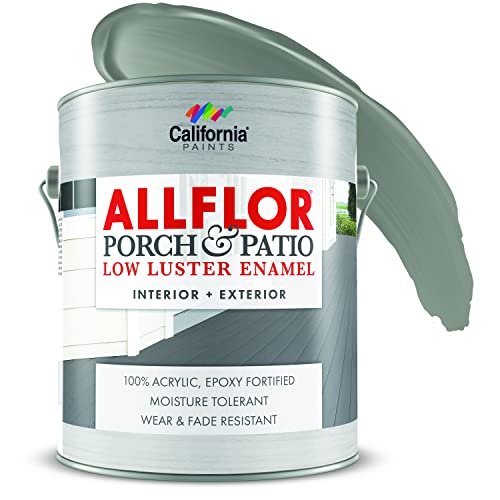
ENAMEL FLOOR PAINT: Provide your floors with an extremely durable and long-lasting finish using California Paint ALLFLOR Porch, Patio and Floor Enamel Paint.

This high-quality, acrylic latex water-base interior/exterior paint offers excellent hiding properties with great adhesion and water repellency on textured interior and exterior surfaces
2. Optimizing Basement Lighting Solutions
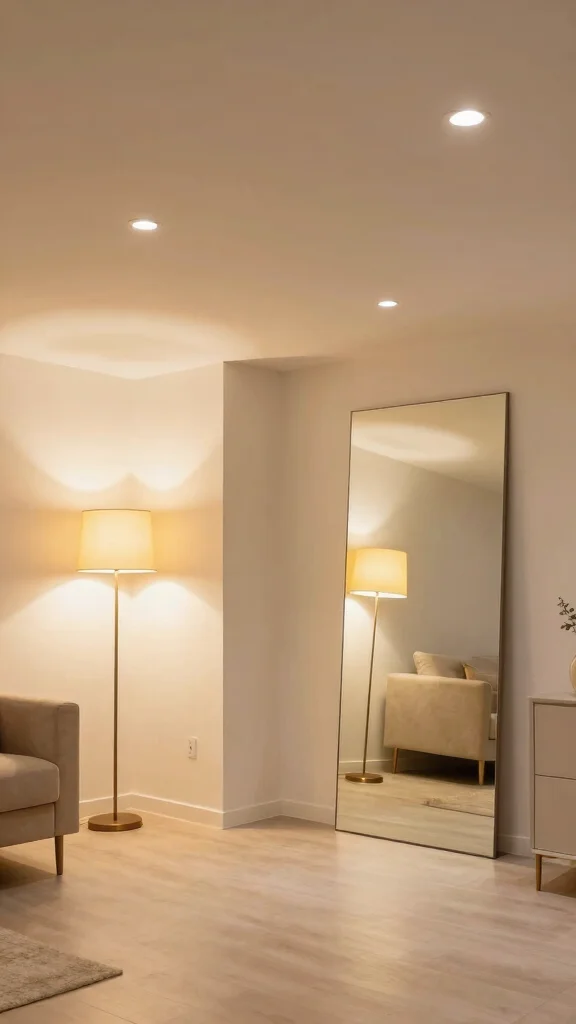
Effective lighting is key in a low ceiling basement, as it can significantly influence the overall atmosphere. Start by maximizing natural light—ensure windows are unobstructed and consider glass doors for a seamless connection to the outdoors. If natural light is limited, integrating additional fixtures like recessed or track lighting can help create a sense of openness and brightness.
Utilizing layered lighting is vital. Combine ceiling lights with task lighting, such as floor lamps, to create a warm and inviting glow. Wall sconces can also illuminate your walls while preserving floor space, adding depth and character.
Incorporate these lighting tips:
– Use dimmers to adjust brightness according to mood
– Choose metallic fixtures to reflect more light
– Utilize mirrors to bounce light and enhance spaciousness
With the right lighting setup, your low ceiling basement can become a bright and welcoming retreat.
Recommended Products

Smooth Mobility and Locking Wheels: 6 swivel casters move effortlessly on any floor. Roll portable workstations from bedroom to kitchen, brakes lock stability

3-in-1 Convertible Design for Compact Spaces: Easily transforms from a loveseat sofa to a relaxed lounger, and finally into a guest bed. Perfect for maximizing space in apartments, dorms, studios, or home offices. Lightweight (<95 lbs) enough to move around effortlessly

Smooth Mobility and Locking Wheels: 6 swivel casters move effortlessly on any floor. Roll portable workstations from bedroom to kitchen, brakes lock stability
How To Choose Space-Saving Furniture for Your Low Ceiling Basement
Finding the right furniture for a low ceiling basement can be a challenge. You want pieces that maximize space while still being stylish and functional. Here are some key criteria to consider when selecting space-saving furniture for your basement.
1. Size Matters
Measure your basement carefully before shopping. You want to ensure that your furniture fits comfortably without making the space feel cramped. A good rule of thumb is to leave at least 24 inches of walking space around furniture. Consider low-profile items that won’t overwhelm your space.
2. Multi-Functional Features
Look for furniture that serves multiple purposes. A sofa that doubles as a bed or an ottoman that provides extra storage can be lifesavers in small spaces. This type of furniture keeps your basement organized while maximizing utility.
3. Light Color Palettes
Opt for furniture in light colors. Light shades like whites, pastels, or soft grays can make your basement look more spacious and airy. Dark furniture can create a heavy feel, especially in a low ceiling area. You can also mix and match light furniture with colorful accents to add personality without clutter.
4. Vertical Storage Solutions
When floor space is limited, think vertical. Choose shelving units that reach up to the ceiling or wall-mounted shelves to draw the eye upward. This strategy not only provides storage but also visually expands the space. Use decorative baskets or boxes to keep items organized on these shelves.
5. Lightweight and Easy to Move
Select furniture that is lightweight. This makes it easier to rearrange and adapt your layout as needed. Lightweight furniture encourages experimentation with different configurations, helping you find the best layout for your low ceiling basement.
6. Comfort is Key
While you want to save space, don’t sacrifice comfort. Look for furniture with ergonomic designs that support relaxation. A comfy chair or bean bag can create a cozy reading nook or lounging area, making the basement feel inviting and warm.
Pro Tip: Always try before you buy! If possible, test furniture in-store to assess comfort and size. If purchasing online, check return policies to ensure you can exchange items if they don’t fit as expected.
By following these guidelines, you will find space-saving furniture that not only fits your low ceiling basement but enhances its overall look and feel. The right choices will help create a functional, organized, and inviting space where you can relax and enjoy!
Recommended Products

5000K Daylight White: More than 2200 lumens output, 20w low power consumption. Please note that we have a brand new upgrade. If you need to connect new and old products, make sure to use the new male-female connector cables. The second generation is designed to be safer, preventing accidental electrical connections caused by human error
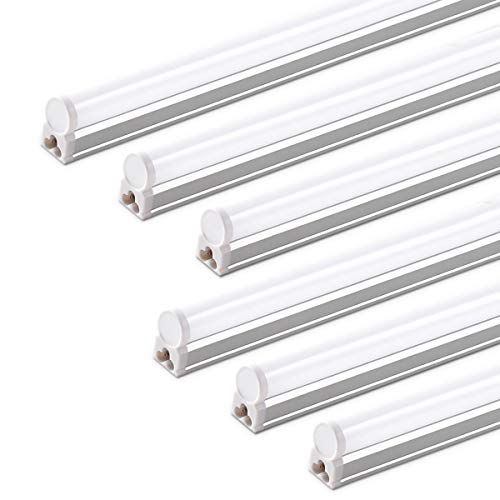
Super Bright: More than 2200 lumens output, 20w low power consumption. Please note that we have a brand new upgrade. If you need to connect new and old products, make sure to use the new male-female connector cables. The second generation is designed to be safer, preventing accidental electrical connections caused by human error
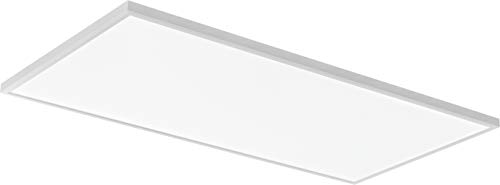
CEILING LIGHTING SOLUTION: The CPANL LED Flat Panel features switchable color temperature providing flexibility for your space; The panel design delivers uniform flicker-free illumination for closet lighting, garage, and kitchen lighting
3. Multi-Functional Space-Saving Furniture
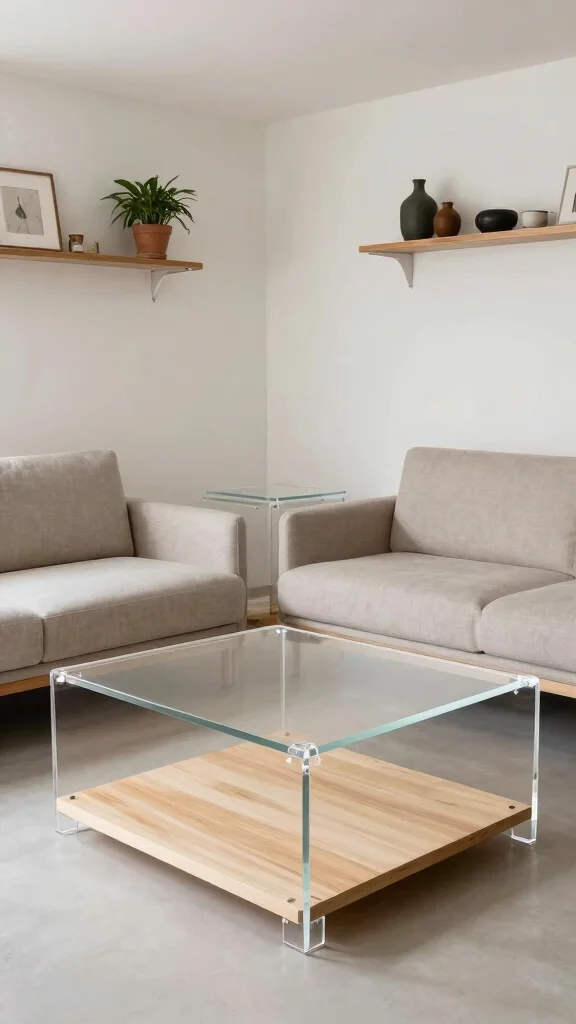
In a low ceiling basement, opting for space-saving furniture can maximize functionality and comfort. Look for pieces that serve multiple purposes, like a storage ottoman that can double as seating. Furniture that folds or stacks offers versatility, adapting to your changing needs and activities.
Consider low-profile designs to maintain an open feel. Selecting furniture with legs can enhance the sense of space and lightness. Built-in solutions, such as benches with storage, can help you utilize every inch effectively.
Here are some tips for incorporating furniture in small spaces:
– Prioritize lower seating that fits the scale of the room
– Choose glass or acrylic materials for a lighter look
– Use wall-mounted desks that can fold down when not in use
These choices not only promote organization but also facilitate a smooth flow in your low ceiling basement.
Recommended Products


Battery Operated Picture Lights: The 3-pack picture lights is powered by 3A batteries(not included), making it convenient and easy to install without the need for wiring or electrical outlets.

Effortless DIY Installation: Peel and Stick Wallpaper, No Fuss, No Mess! Skip the paste, extra tools, or pro help. This antique bookshelf wallpaper installs in minutes! Waterproof, self-adhesive, and removable, this vintage wallpaper is perfect for quick home makeovers, dorm upgrades, or rental refreshes.
4. Creative Ceiling Design Tips
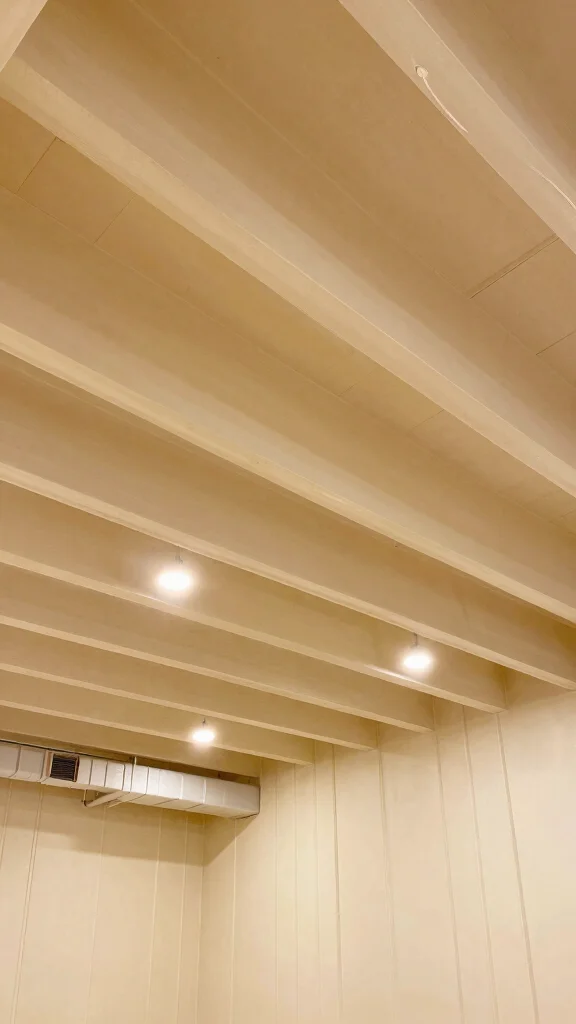
Even with low ceilings, adopting creative ceiling design tips can introduce character and enhance perceived height. Painting ceilings in bright colors or using glossy finishes can reflect light, creating an illusion of a more spacious area. Adding beadboard or molding can draw the eye upward, making the ceiling feel taller and more inviting.
Consider installing horizontal beams or strips that run parallel to the floor. This design choice can create an illusion of depth and length while giving an aesthetic appeal. An open ceiling style, highlighting beams and ductwork, can also add an industrial charm to the space.
To achieve the best results:
– Use vertical lines on walls to emphasize height
– Hang ceiling-mounted lights to draw the eye upward
– Install ceiling fans for added airflow and spaciousness
These design strategies can turn your low ceiling into a standout feature rather than a constraint.
Recommended Products

【3-IN-1 Sleeper Chair】The multi-functional sofa chair can be easily and quickly converted into an armchair, guest bed and lounge chair, truly realizing the versatility of a sofa. Which prefectly fits your living room/ dorm/ apartment/ bedroom/ office.

Multifunctional Chair Bed – Effortlessly transform the chair bed sleeper for adults into an stylish futon chair, a cozy chaise lounge to relax, or a comfy sleeper bed. Equipped with the soft pillow, it also offers lumbar support in limited spaces

Narrow Console Table : This sleek entryway table features a minimalist industrial style, blending seamlessly into any room—entryway, living room, bedroom, you can put it in any narrow place for a timeless and versatile decor upgrade.
5. Open Shelving for Basement Organization
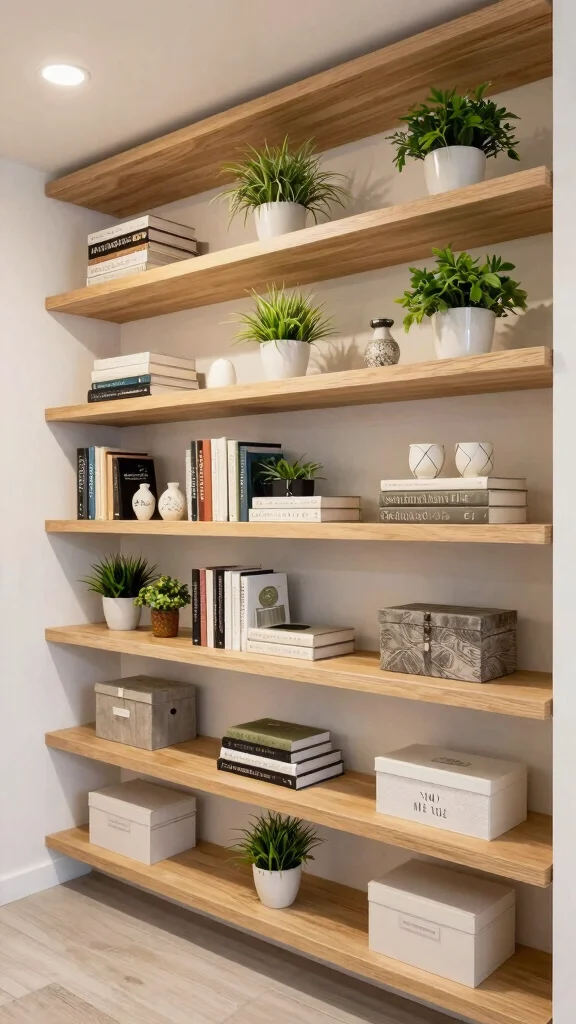
When dealing with limited space, open shelving can be an excellent solution for organization. These shelves keep items accessible while maintaining an airy atmosphere. Use them to showcase books, plants, or decor that enhances your basement’s character.
Position shelves thoughtfully to draw the eye upward, contributing to the illusion of height. Light-colored materials for shelves help keep the space feeling open, and mixing in closed storage options can help conceal less attractive items.
Here are some tips for effective shelving:
– Group items by color or theme to prevent visual chaos
– Use decorative bins or baskets for a neat appearance
– Install shelves at varying heights for added visual interest
Open shelving not only serves a practical purpose but also personalizes your low ceiling basement beautifully.
Recommended Products

Dimensions: 6 in. Width x 5-1/2 in. Inside Width x 6 in. Height x 5-1/2 in. Height

Dimensions: 3-1/2 in. Width x 5-1/2 in. Height x 96 in. Length

Dimensions: 8 in. Width x 7-1/2 in. Inside Width x 8 in. Height x 7-1/2 in. Height
🏡 Transform Your Space Like a Pro
Unlock the secrets to stunning home makeovers with our DIY guide designed for every budget and style.
6. Adding Mirrors for Depth
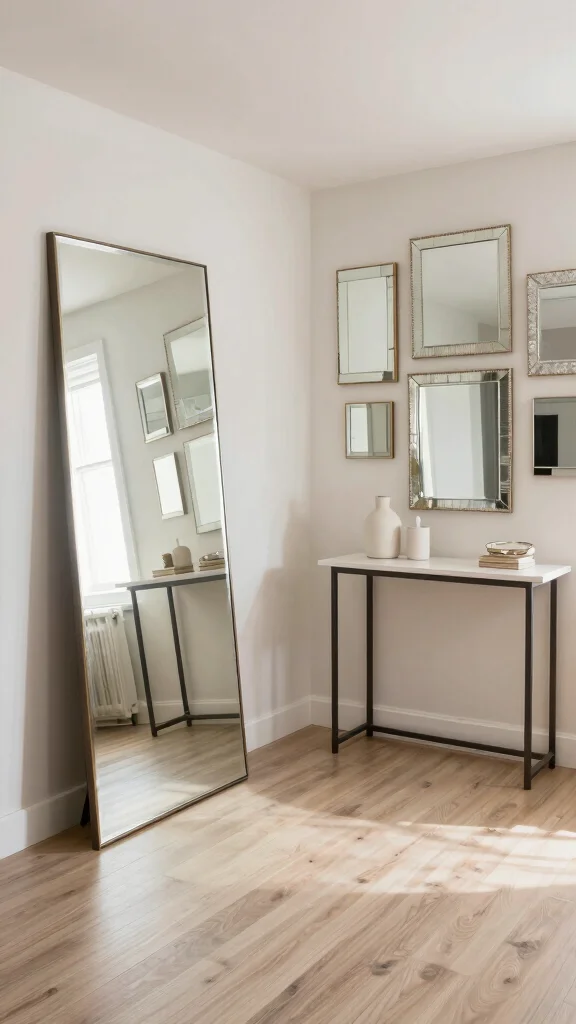
Incorporating mirrors can significantly transform a low ceiling basement. They reflect light and create a sense of depth, making the area feel more spacious. Strategically placing mirrors can enhance natural light, while large floor mirrors or collections of smaller mirrors amplify this effect.
Avoid heavy frames that can clutter the space; instead, opt for sleek designs that seamlessly integrate with your decor. Placing a mirror opposite a window can maximize the impact of incoming light, brightening the space further.
Here are some tips for using mirrors effectively:
– Experiment with various shapes and orientations
– Use mirrored furniture or accents to subtly enhance the effect
– Consider backlit mirrors for added sophistication and interest
Mirrors not only fulfill a practical role but also elevate the style of your low ceiling basement.
Recommended Products

YOUR ITEMS, YOUR WOOD – YOU SUPPLY IT: Supply 3/4" thick wood (e.g., 1×4 to 1×10 pine or plywood, sold separately) for custom-fit shelves that match your items.

4 shelf wire rack offers handy storage space and easy access to tools and supplies

LARGE CAPACITY: Built with a wide 59.1" × 15.7" × 69.2" frame, this storage rack features 5 spacious tiers designed to handle different storage needs. The generous tier spacing makes efficient use of vertical height, allowing you to organize bulky items in a single unit instead of overcrowding multiple smaller racks.
7. Zone Your Space with Rugs
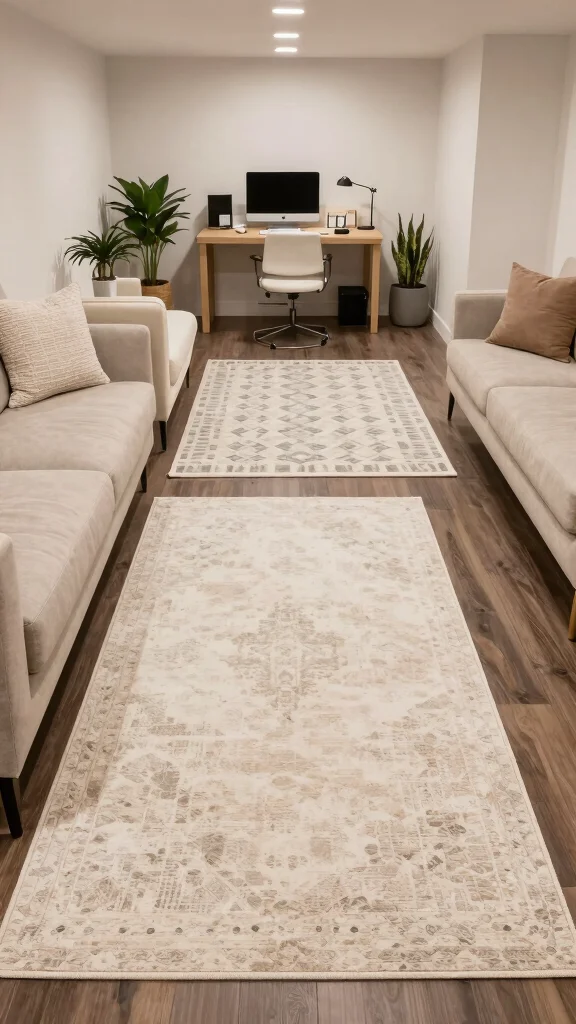
Rugs are excellent for defining different areas in a low ceiling basement. They can visually separate spaces, whether you’re crafting a cozy reading nook or a game area. Choosing the right rugs helps outline your layout and guides your furniture arrangement.
Opt for lighter colors or natural fibers that complement your overall decor without making the space feel cramped. Avoid dark or intricate patterns that might visually clutter the area.
Here’s how to effectively use rugs in your basement:
– Select rugs proportionate to your seating area or furniture arrangement
– Layer rugs for added texture, especially in larger spaces
– Consider larger rugs to unify the design and create an expansive feel
Smart rug usage can transform your low ceiling basement, enhancing its functionality and aesthetic appeal.
Fun fact: In small spaces, rugs can visually expand the room—use a rug at least 8×10 feet to create a single zone. For low ceiling basement ideas, light colors and simple patterns enhance openness, guiding your furniture with smart rug placement.
8. Utilize Vertical Storage Solutions
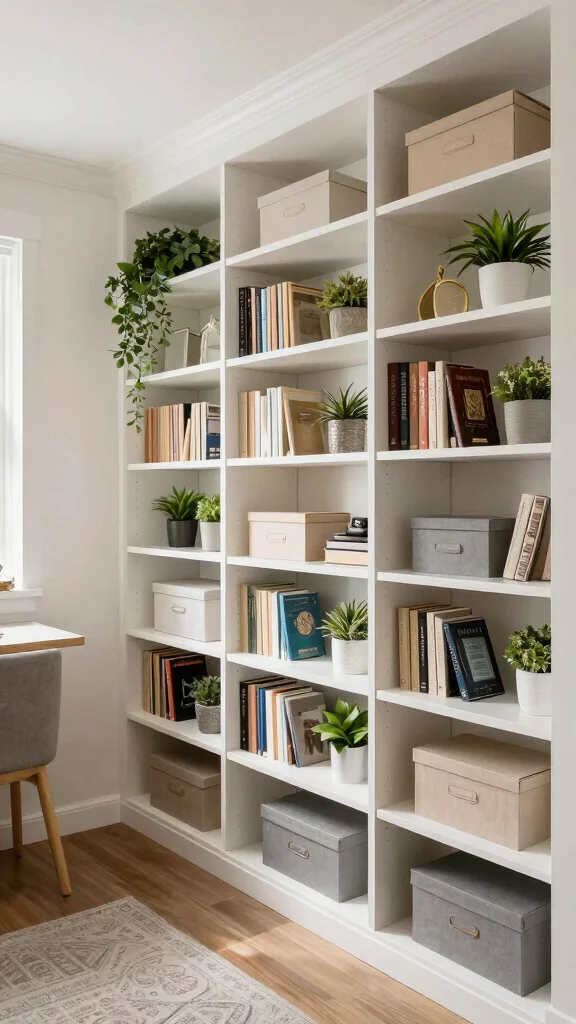
In a low ceiling basement, vertical storage solutions can significantly optimize space. Tall bookcases, shelving units, and wall cabinets draw the eye upward, creating an illusion of height. Choose designs with narrow profiles to prevent overcrowding while keeping your items organized.
Customize your vertical storage based on what you need to keep. Use bins for smaller items and decorative boxes on higher shelves for infrequently used equipment.
Remember these tips for effective vertical storage:
– Color-code your storage for a visually appealing look
– Use labels for easy item identification
– Keep frequently used items at lower levels for convenience
Vertical storage enhances both functionality and style in your low ceiling basement.
You might also like
9. Incorporate Plants for Freshness
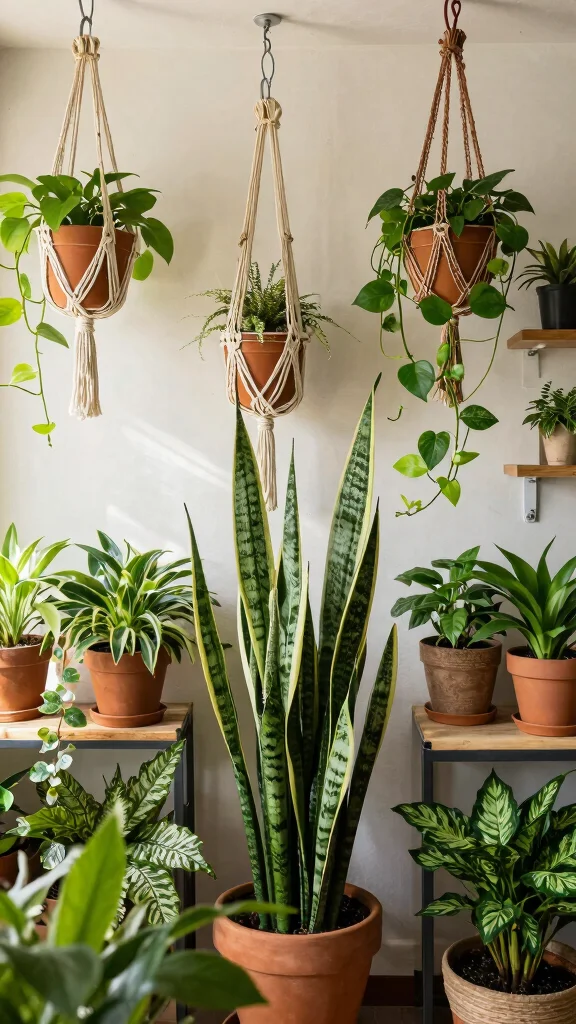
Introducing plants into your low ceiling basement can revitalize the atmosphere. Greenery not only beautifies the space but also improves air quality, lending a refreshing vibe. Opt for low-light plants like snake plants or pothos that thrive in such environments.
Positioning plants at varying heights adds visual interest and warmth to the room. Wall-mounted planters or hanging pots can save floor space and offer a unique aesthetic. You can also cluster smaller plants on shelves for a charming indoor garden effect.
Here are some plant tips for your basement:
– Choose decorative pots that match your decor style
– Establish a plant care routine to ensure health and vitality
– Mix various textures and colors for added depth
Incorporating plants can soften the look of your low ceiling basement, making it feel inviting and homey.
A few well-placed plants can instantly open up a low ceiling basement—no expensive remodel needed. Pick snake plants or pothos, stack them on shelves, hang a few, and watch the ceiling feel taller without sacrificing airflow.
10. Use Flexible Layouts
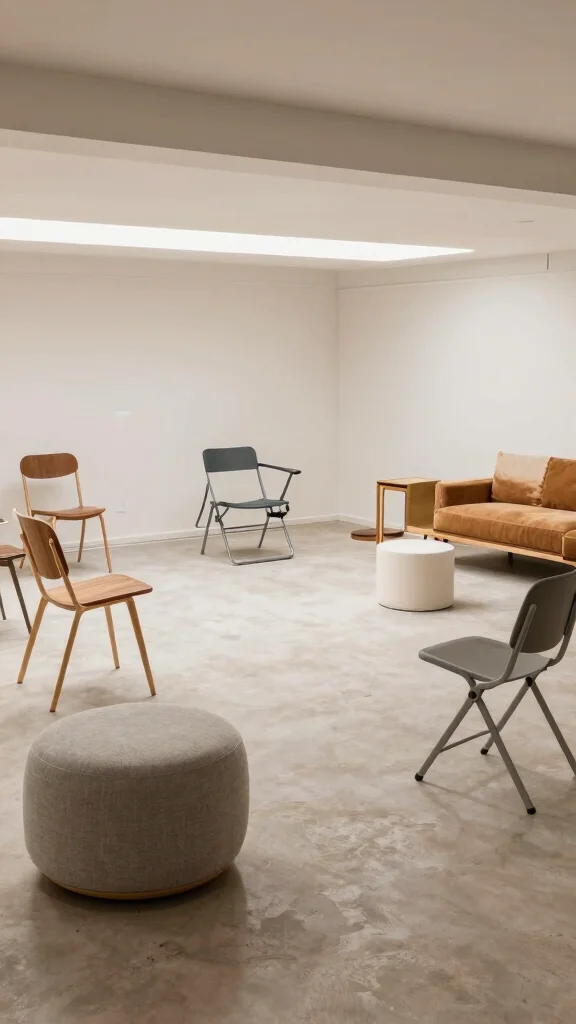
Creating a flexible layout is crucial in a low ceiling basement. Arrange your furniture to adapt to diverse needs and activities. Lightweight furniture that is easy to move allows for quick transitions between cozy movie nights and lively game sessions.
Consider modular pieces that can be rearranged effortlessly. Ottomans can serve multiple functions as seating or tables, and foldable chairs can be stored away when not in use.
To optimize your layout:
– Keep pathways clear to enhance movement
– Use furniture to define zones without the need for walls
– Experiment with different arrangements to find what feels best
A flexible layout can significantly improve your low ceiling basement’s functionality and warmth.
Recommended Products

Item Description: Heritage Timber Salvaged Timber Faux Wood Beam, 3-Sided (U-Beam), 3 1/2"W x 3 1/2"H x 72"L, Warm Caramel Finish

Item Description: Heritage Timber Salvaged Timber Faux Wood Beam, 3-Sided (U-Beam), 5 1/2"W x 5 1/2"H x 72"L, Kona Brown Finish
Item Description: Heritage Timber Salvaged Timber Faux Wood Beam, 3-Sided (U-Beam), 3 1/2"W x 3 1/2"H x 72"L, Kona Brown Finish
11. Clever Use of Artwork
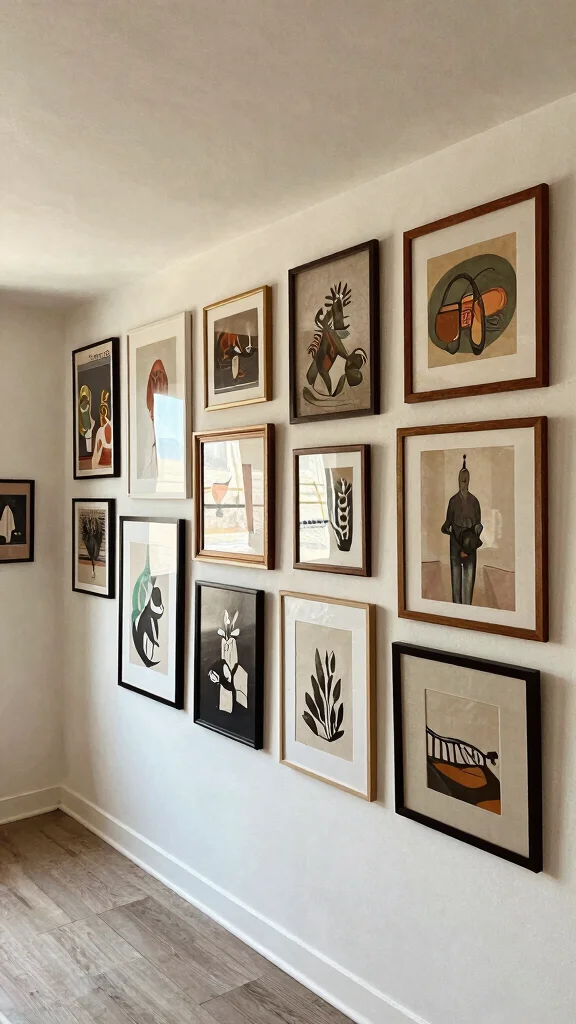
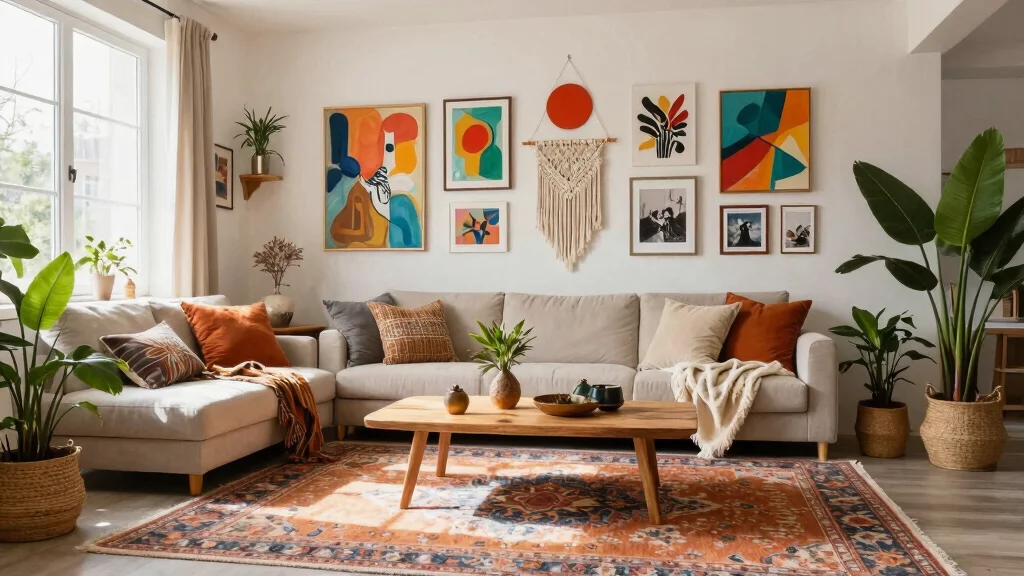
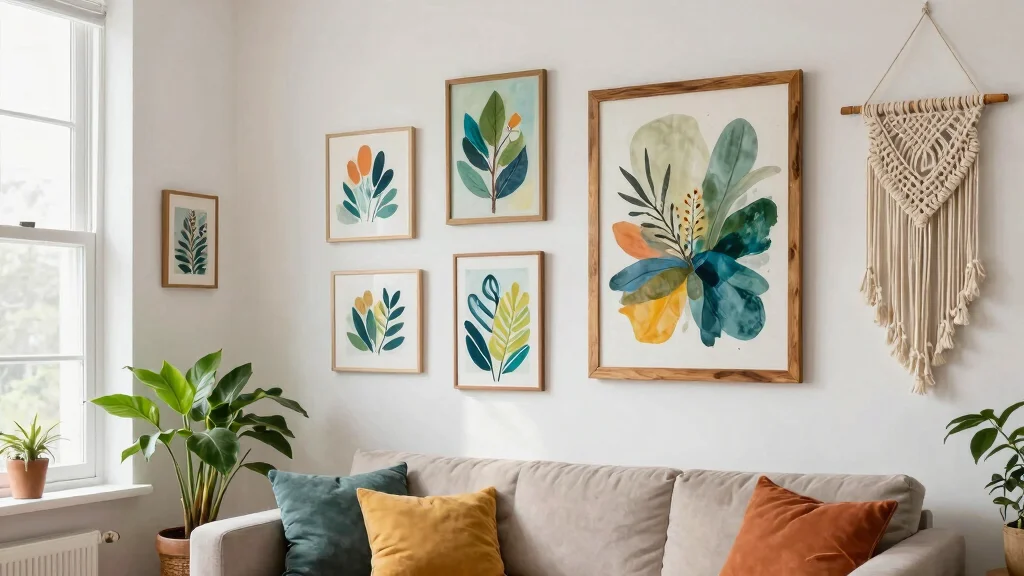
Artwork can significantly enrich your low ceiling basement. Instead of conventional framed pieces that occupy wall space, consider creative uses for artwork. A large mural can create a sense of scale without overwhelming the room, while a gallery wall mixing framed art and smaller elements can draw the eye upward, enhancing the feeling of height.
Use lightweight frames to avoid bulk, and consider fabric art or wall tapestries for a soft touch. This creates a homely feel while showcasing your personality.
Here are some tips for using artwork effectively:
– Hang art lower to foster a cozy atmosphere
– Select a cohesive color palette for harmony
– Incorporate 3D wall art or sculptures for a unique twist
Creative artwork can transform your low ceiling basement into a delightful and personal space.
12. Adding Warm Textiles
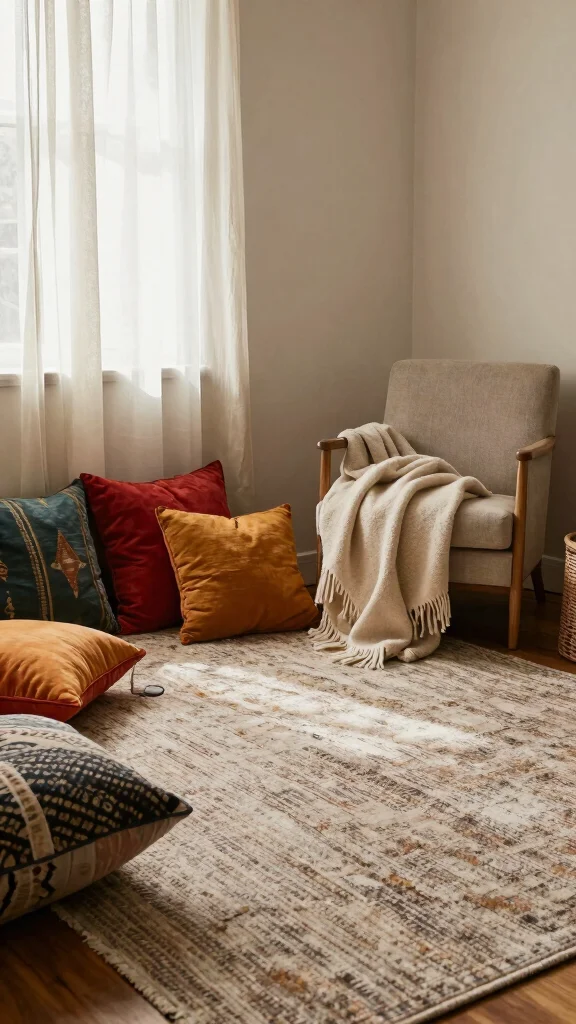
Textiles are a fantastic way to introduce warmth and comfort into a low ceiling basement. Selecting the right fabrics can enhance the overall aesthetic while creating an inviting environment. Soft throws, plush cushions, and textured rugs add layers of comfort and warmth.
Consider layering textiles to maintain warmth without overcrowding the space. For example, draping a soft blanket over a chair or layering rugs can elevate the style while ensuring coziness.
Here are some textile tips:
– Choose colors that resonate with your overall design
– Use lightweight curtains that filter light while adding softness
– Incorporate textured pillows and throws for a cozy sitting area
By adding warm textiles, you can transform your low ceiling basement into a comfortable and welcoming retreat.
Did you know layering textiles can boost perceived warmth in a low ceiling basement by up to 20%? It can elevate your low ceiling basement ideas with soft throws, plush cushions, and textured rugs that feel instantly cozier.
13. Create a Cozy Reading Nook
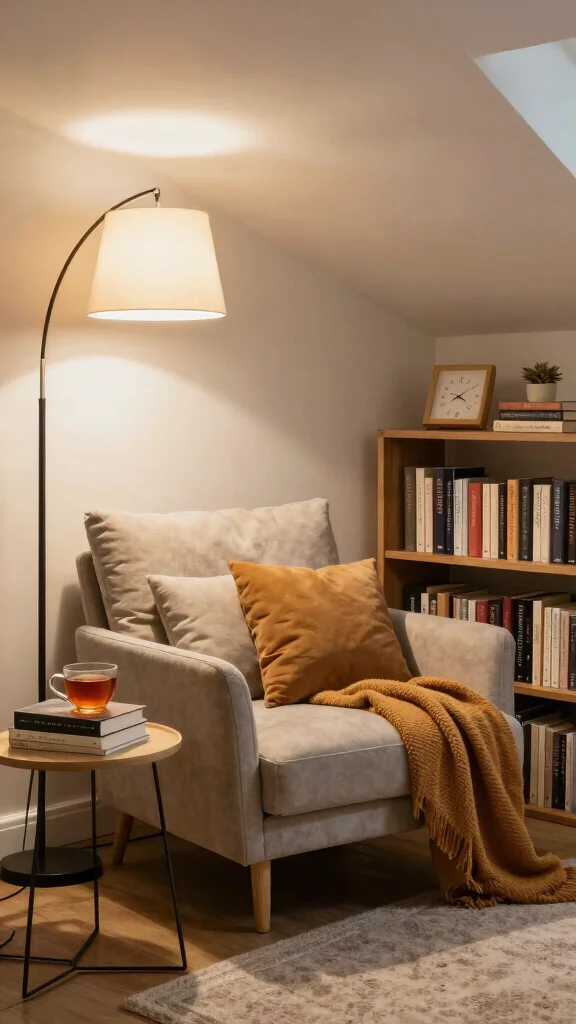
Turning a corner of your low ceiling basement into a cozy reading nook adds a comforting touch to the space. Select a comfy chair or small loveseat paired with a side table for books or a warm drink. Ensure good lighting with a floor lamp or wall sconce for an inviting reading environment.
A small bookshelf nearby can keep your favorite reads accessible while adding character to the nook. Decorate with cushions and a throw blanket to craft a warm and welcoming ambiance.
For the perfect reading nook:
– Position it near a window for natural light if possible
– Use colors and textures to instill warmth and comfort
– Personalize it with decor elements or art that inspires you
A cozy reading nook can turn your low ceiling basement into a peaceful retreat, perfect for unwinding.
14. Smart Home Office Setup
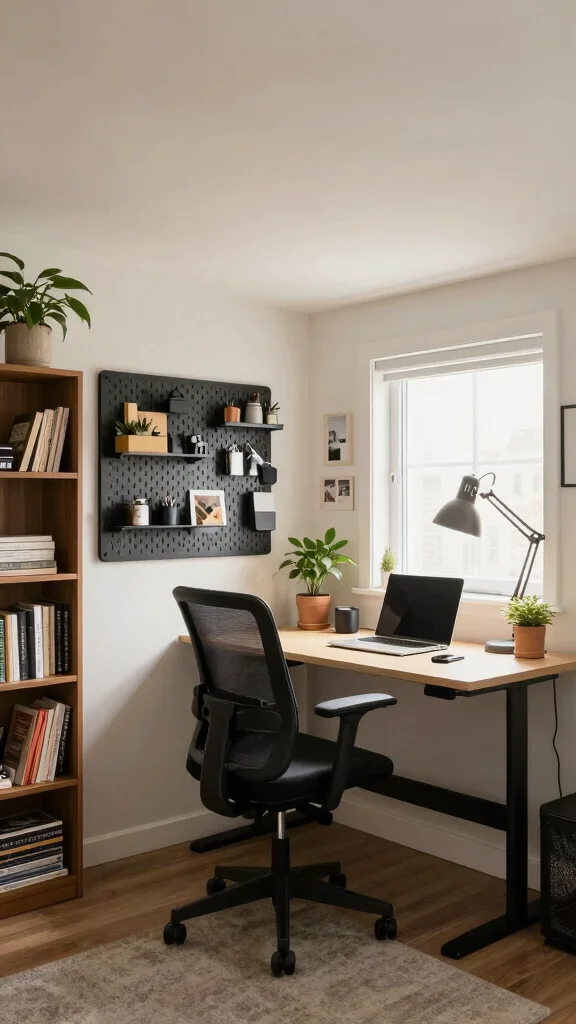
As more people work from home, crafting a smart home office in your low ceiling basement is essential. A well-designed workspace can boost focus and productivity. Choose a compact desk and ergonomic chair for comfort during long work hours. Vertical wall storage for supplies can help keep your workspace organized without cluttering the floor.
Don’t forget about lighting! Ensure your desk is well-lit, either by natural light or quality task lighting. Adding personal touches, like artwork or plants, can make the space feel inviting.
Here are some effective tips for your home office setup:
– Position your desk near a window for natural light
– Use a bulletin board or pegboard for easy organization
– Keep your workspace clutter-free to promote productivity
A smart home office can enhance your workflow while maximizing the potential of your low ceiling basement.
15. Use of Colorful Accents
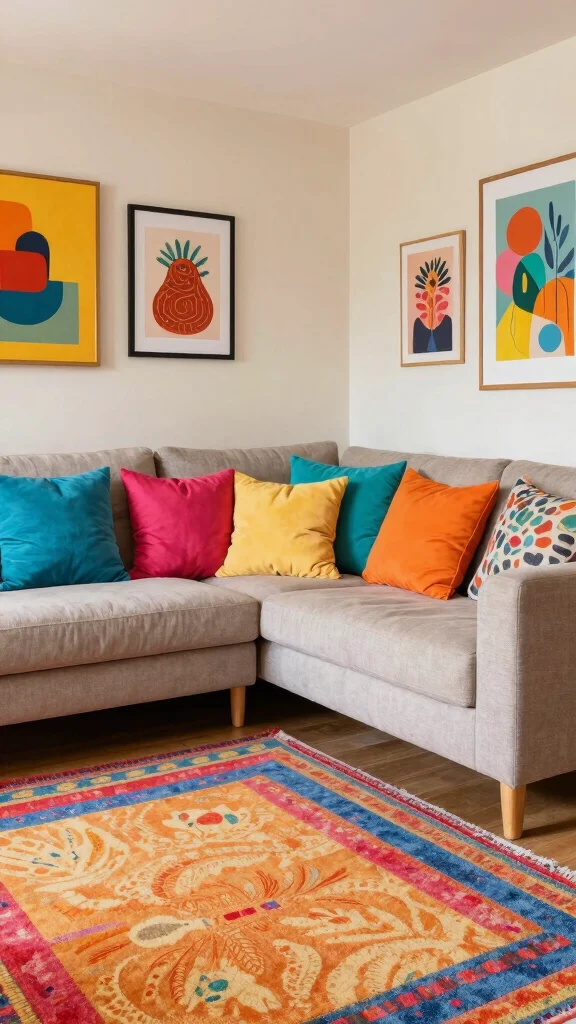
While light color palettes provide a serene backdrop, don’t hesitate to incorporate colorful accents that breathe life into your low ceiling basement. Bright cushions, vibrant artwork, or bold rugs can create an energetic contrast against softer tones. Accessories like throws or decorative items in rich hues can enhance your space without overwhelming it.
Choosing a cohesive color theme can guide your selections, ensuring everything blends harmoniously. Moreover, opt for colors that reflect your personality and style, adding uniqueness to your space.
Here are some tips for including color accents:
– Stick to a cohesive palette for visual unity
– Use colorful decor in moderation to avoid clutter
– Mix different shades of the same color for a sophisticated touch
By integrating colorful accents, you create a lively atmosphere that makes your low ceiling basement feel vibrant and inviting.
16. Incorporate Functional Accessories
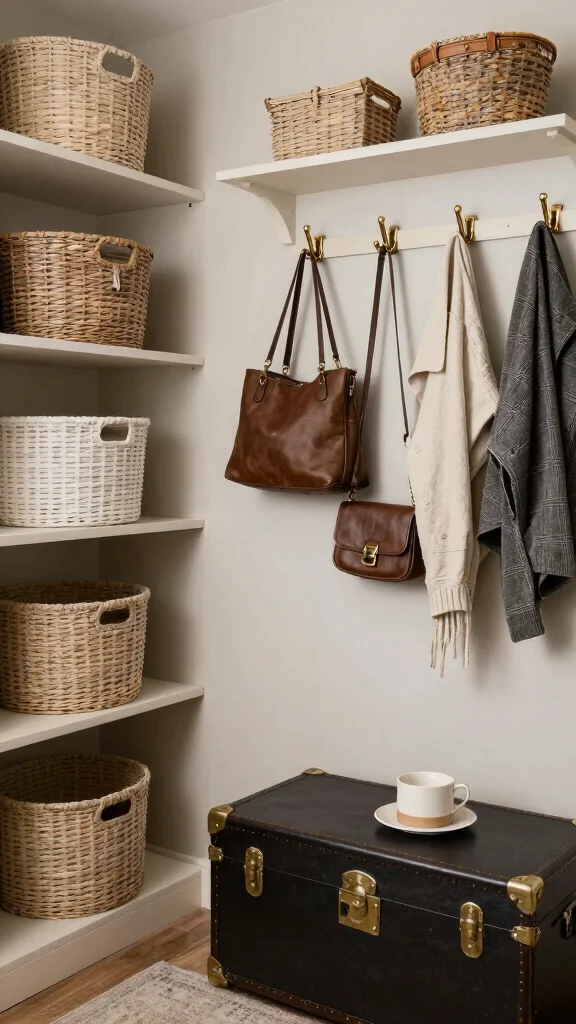
In a low ceiling basement, functional accessories enhance both practicality and design. Decorative baskets can store items while adding texture and style. Cleverly placed hooks can hold coats, bags, or towels, seamlessly blending function with aesthetics.
Select accessories that complement your decor style, whether it’s modern, rustic, or eclectic. Multi-functional items, like a stylish trunk that doubles as a coffee table, can help keep the space organized while looking great.
Here are some tips for using functional accessories:
– Mix materials for a layered appearance
– Use decorative trays to group smaller items
– Consider furniture that serves as storage solutions
Functional accessories can significantly improve the efficiency and style of your low ceiling basement.
17. Embrace Minimalism
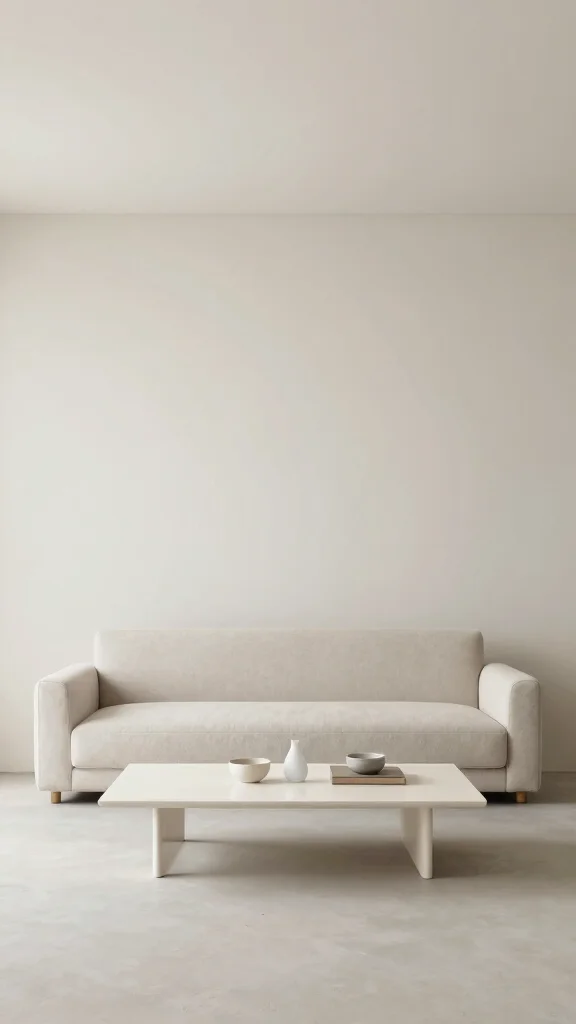
Adopting a minimalist approach in your low ceiling basement can greatly enhance the space. This style emphasizes simplicity, allowing each element to be appreciated for its beauty. By reducing clutter and maintaining a clean design, you cultivate a serene and open atmosphere.
Select furniture with clean lines and avoid overcrowding the area with decor. Focus on a few key pieces that bring joy or serve a purpose rather than filling every inch. Neutral color palettes and simple decor contribute to a calming vibe.
Here are some minimalist tips:
– Limit decor to one or two statement pieces
– Use multifunctional furniture to keep things uncluttered
– Prioritize quality over quantity for lasting impact
With a minimalist approach, your low ceiling basement can become a peaceful retreat, promoting relaxation and clarity.
18. Floating Furniture Arrangements
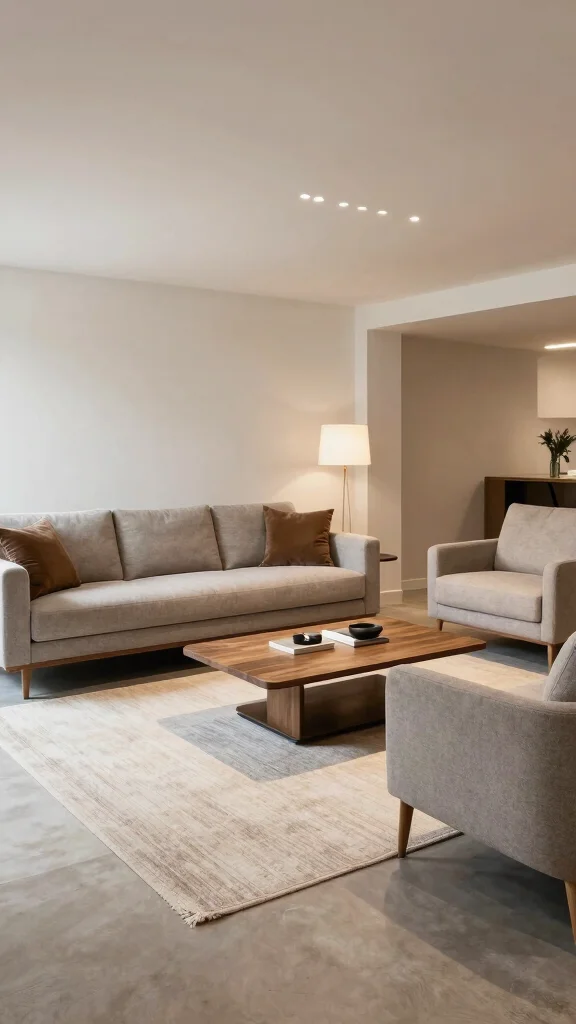
A clever trick to make your low ceiling basement feel more spacious is to use floating furniture arrangements. Instead of pushing all your furniture against the walls, position it to create an inviting conversation area. This arrangement promotes better flow and helps the space feel more open.
Utilizing rugs can help define these floating arrangements, giving them purpose within the room. Additionally, lighter, low-profile furniture will maintain an airy feel while enhancing the layout.
Here are some tips for floating arrangements:
– Ensure adequate space between pieces for easy movement
– Use accent tables to maintain functionality without crowding
– Avoid tall furniture that can obstruct sightlines
Floating arrangements can transform your low ceiling basement into a welcoming and spacious gathering area.
Conclusion
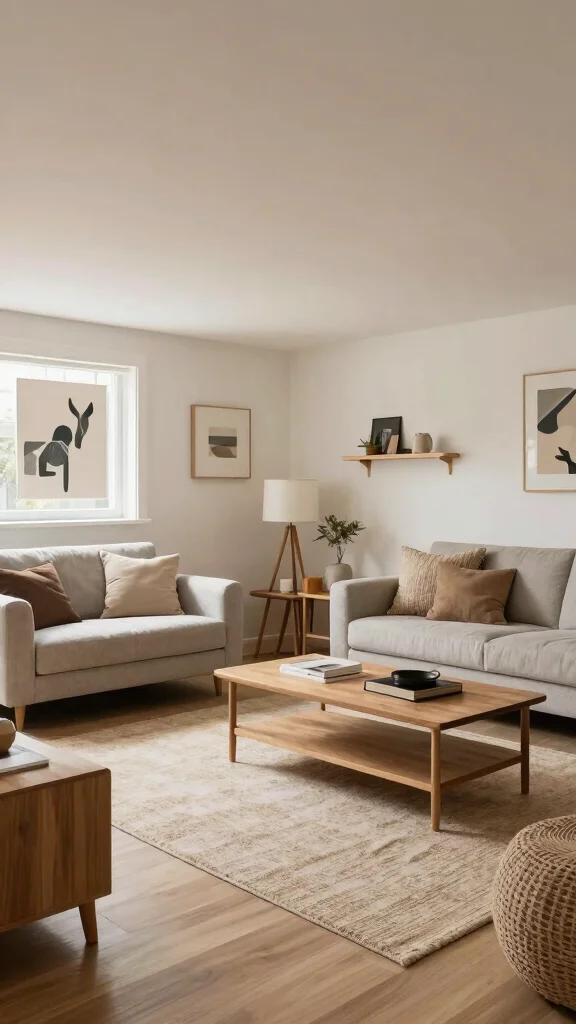
Transforming a low ceiling basement into a functional and inviting space is all about embracing smart design choices and creative solutions. From using light color palettes to incorporating space-saving furniture and clever organization methods, these ideas showcase how you can maximize potential in tight spaces.
Consider adopting a few of these ideas to give your basement a new lease on life, making it a place where you can unwind, work, or entertain with ease. Let your creativity shine in every corner, and enjoy the magic of making your basement feel more spacious and inviting.
Frequently Asked Questions
What are the most effective low ceiling basement ideas to make a space feel more spacious?
To maximize a low ceiling basement, blend light color palettes, smart lighting, and space-saving furniture. Start with pale wall and ceiling colors to reflect light. Add basement lighting solutions such as recessed cans or LED strips to reduce shadowy corners. Use basement organization ideas with tall, slender storage rather than bulky cabinets. With these low ceiling basement ideas you will feel the space opening up.
How can light color palettes and lighting solutions visually raise a low basement ceiling?
Choose light color palettes on walls and ceilings to bounce more light. Pair with basement lighting solutions like layered ambient, task, and accent lighting using recessed LEDs, slim track fixtures, and wall washers. Add mirrors or glossy surfaces to reflect light, and keep ceiling fixtures slim to reduce visual bulk. These steps help the ceiling feel higher and the room feel more airy.
What space-saving furniture ideas work best for a low ceiling basement?
Look for space-saving furniture ideas such as low-profile seating, furniture on legs, nest and multi functional pieces, and wall mounted desks or shelves. Choose narrow bookcases, ottomans with storage, and coffee tables with rounded edges to minimize visual clutter. Use basement organization strategies to keep things tidy and expand floor space. These are classic low ceiling basement ideas for small spaces.
Which ceiling design tips can make a low ceiling feel taller without major renovations?
Try painting the ceiling a bright light color to merge with walls, and use ceiling design tips like uninterrupted paint and slim moulding. Install recessed lighting so nothing hangs down, and consider vertical accents such as tall curtains, vertical stripes, or tall mirrors to draw eyes upward. These low ceiling basement ideas help the space feel taller without structural work.
How should I plan basement organization and lighting to maximize space in a low ceiling area?
Start with a clear plan that zones living, storage, and workspace areas. Use wall mounted storage and transparent bins to keep floor space open. Choose light finishes and space-saving furniture to maintain flow. For lighting, combine ambient, task and accent lighting using energy efficient LEDs, and ensure you include basement lighting solutions that avoid heavy fixtures. Pair this with deliberate basement organization strategies to keep clutter away. A thoughtful plan will keep the space bright and feel more spacious even with a low ceiling.
Recommended Products

【2400LBS Heavy Duty Storage Shelves: Built for Heavy Garage Storage】Unlike standard shelves that may bend under heavy loads,REIBII garage shelving supports 2400 lbs total capacity with 480 lbs per shelf when evenly distributed.The 1.4mm cold-rolled steel frame,high-density 810kg/m³ MDF boards,and reinforced support bars under each tier provide stable storage for toolboxes,power tool cases,automotive supplies,storage totes,gardening equipment,and household items.

PROFESSIONAL GARAGE WALL ORGANIZATION SYSTEM: Transform empty wall space into a clean, structured tool organization station with our 46.5"x12.5" garage wall shelving, featuring heavy-duty hanging shelves and a sleek black rack. Create dedicated zones for drills, hand tools, gardening equipment, and car care supplies – designed for serious garage

【Stable & Durable Storage Built for Everyday Use】Designed for homeowners, renters, and DIY organizers, this garage shelving combines rolled-edge steel uprights and scratch-resistant powder coating to create a reliable storage foundation. The included anti-tip kits secure the storage shelving to the wall for added safety, while non-slip pads keep the utility shelf steady and help protect floors from scratches. Perfect for garages, basements, workshops, and utility rooms where stable storage matters.
Related Topics
home decor
small space living
low ceiling basement ideas
basement organization
space-saving furniture
light color palettes
ceiling design tips
basement lighting solutions
easy renovations
budget friendly
minimalist design
cozy atmospheres
Leave a Reply