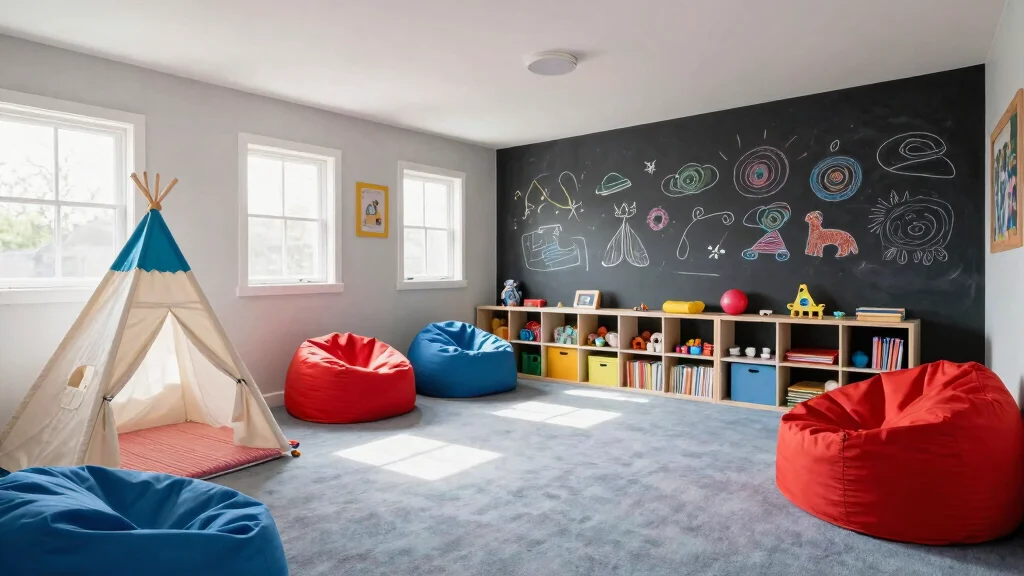
Creating a basement playroom for your kids can feel like a daunting task, especially when space is limited. The truth is, a well-designed playroom can transform a dark, unused area into a vibrant sanctuary for your children. I made this post to share some inspiring basement playroom ideas that will spark joy and creativity in your little ones while maximizing every inch of your space.
If you’re a parent or caregiver looking to make the most of your home’s underground area, you’ve come to the right place. We understand that little ones need room to explore, play, and learn. This guide is designed for anyone eager to create a fun, engaging space tailored to their children’s needs. Whether your basement is large or small, you’ll find practical and imaginative solutions here.
Get ready to dive into 16 basement playroom ideas that are not just stylish but also highly functional. You’ll discover cozy corners for reading, vibrant art stations, and unique play zones that will keep your kids entertained for hours. Plus, we’ll share clever tips on space-saving furniture and colorful accents to ensure your basement is both appealing and practical. Let’s turn that basement into a play paradise your kids will love!
Key Takeaways
– Explore cozy corners and reading nooks that create a warm atmosphere for quiet time and stories.
– Learn about art stations that foster creativity and encourage your children to express themselves through artistic endeavors.
– Discover themed zones that transport kids to different worlds, making playtime more immersive and exciting.
– Find tips on space-saving furniture that helps you utilize your basement effectively without overcrowding the area.
– Get inspired by colorful accents and decor that brighten up your basement and make it an inviting space for kids to hang out.
Recommended Products

【Decorative Bookshelf Lamps】FUNTAPHANTA bookshelf lamp, weighing in at about 2 pounds, can hold your books in place and light up your favorite stories.It's the perfect blend of function and flair, turning your bookcase into a conversation starter and a cozy reading nook all in one.
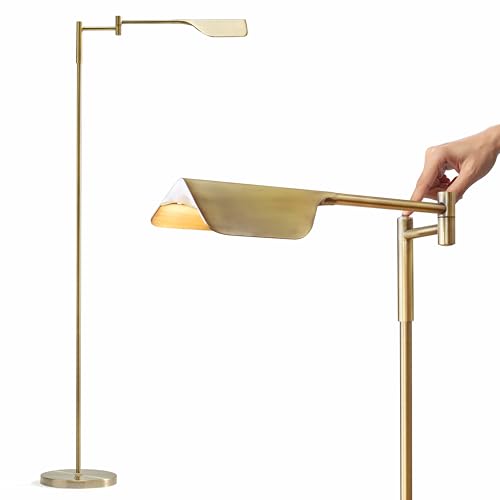
Super Bright Pharmacy Floor Lamp: Comfortably use this floor reading lamp over your chair to read books, sew, and engage with any other hobbies in a bright, efficient environment with Brightech LED office floor lamp. This standing task lamp offers a generous 1150 lumens of light (90W incandescent equivalent). With the Leaf's pharmacy shade that focuses the light on a narrow area, this office lamp is perfect for precise and detail-oriented tasks.
1. Cozy Corner Reading Nook
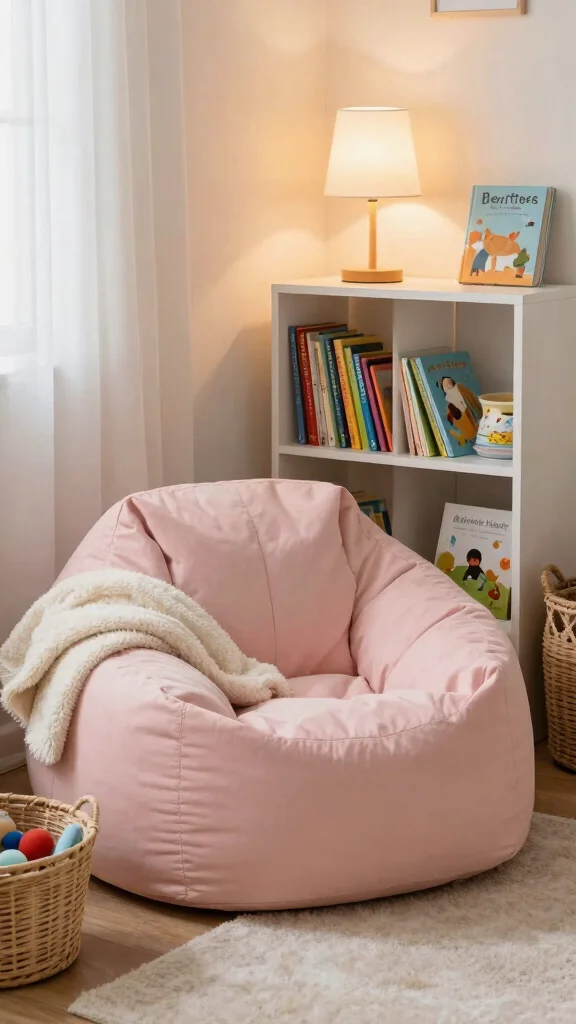
Creating a cozy reading nook in your basement playroom invites warmth and comfort. Picture a soft chair or a snug bean bag paired with a small bookshelf brimming with your child’s favorite stories. This delightful corner encourages a love for reading, offering a peaceful retreat amidst playful chaos.
Enhance the atmosphere with gentle lighting from a stylish lamp and layer in some plush throw blankets to add extra comfort. This nook not only promotes quiet time but also nurtures imagination and exploration.
Tips:
– Choose a secluded corner away from loud play areas.
– Use decorative baskets for easy book storage.
– Keep lighting soft to create a warm ambiance.
With thoughtful design, this cozy space becomes a cherished haven for your children to escape into the magical world of books.
For basement playroom ideas that spark imagination, create a cozy reading nook with a comfy chair, a small bookshelf, and warm lighting. Your kids will reach for stories first, turning quiet time into joyful adventures. Small details matter—plush blankets and gentle lamps make all the difference.
Recommended Products

Soft Toy Organizer and Storage: We are really proud of our material, this stuffed animal storage is made of real thick wood, with strong bearing capacity and durability.

Toy Hammock: Our stuffed animals net or hammock can be a decoration for your kidsroom; Come with LED light, can add a cozy and fun atmosphere
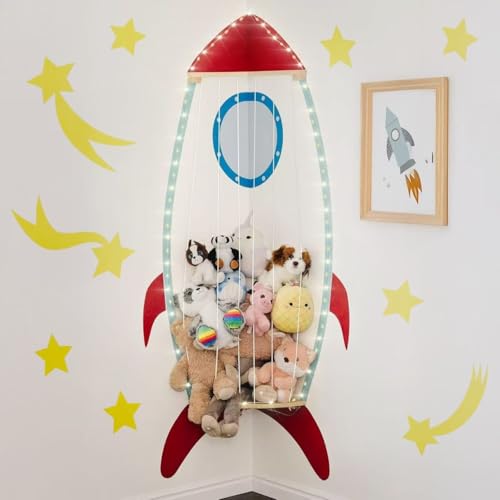
PREMIUM NURSERY FURNITURE SOLUTION: Transform messy corners into a tidy haven with this hanging nursery organizer. Designed as a functional piece of nursery furniture, it keeps plush collections, swaddles, and baby blankets organized and elegantly displayed.
🏡 Transform Your Basement Today!
Unlock your creativity with our DIY guide and make your basement playroom a magical space for your kids.
2. Art Station Extravaganza
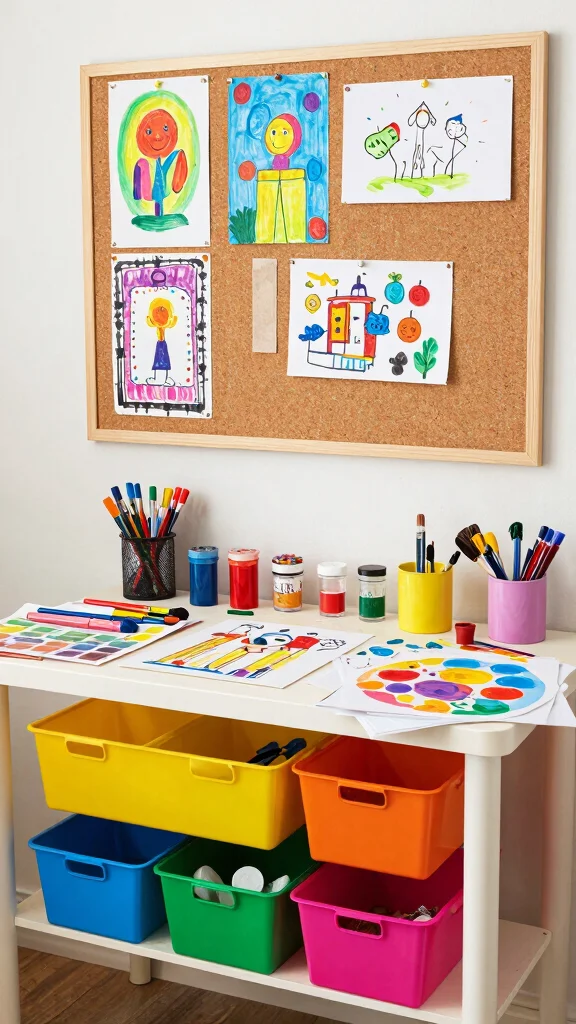
Ignite your child’s creativity with a vibrant art station! Select a small table for easy access to colorful supplies like markers, paper, and paints, allowing them to unleash their artistic flair. Organize everything in cheerful bins or drawers labeled for quick access, while displaying their masterpieces on a corkboard or clipboards.
This setup not only fosters artistic expression but also enhances fine motor skills, making it a fun and educational experience.
Ideas for Art Station:
– Use washable supplies for hassle-free cleanup.
– Incorporate a rolling cart for additional storage.
– Choose easy-to-clean surfaces to manage messes.
Your kids will thrive in a space designed to inspire creativity and showcase their artistic talents!
Recommended Products

Unroll Creative Expression: Kids draw, paint, and create freely by pulling up to 75 Feet of high quality drawing paper, from a sturdy tabletop paper dispenser with a built-in child-safe tear strip

Kids Easel with Paper Roll for Endless Creativity – Ignite your child’s imagination with a bamboo tabletop easel featuring blank and patterned paper rolls (11.4in x 98.4ft). Includes 12 pigments, 2 brushes, 12 watercolor pens for vibrant drawing, painting, and craft on a kids art table.

5-IN-1 MULTIFUNCTIONAL DESIGN: This kids table and chairs comes with a hidden lift bar that easily converts the table into an art easel. In easel mode, the under-table storage space instantly transforms into a building block area or craft corner. When closed, it transforms back into the ideal teaching/study toddler desk for kids. With a large 42.9“ L x 22” W tabletop, it provides ample space for parent-child guidance or activities, and is perfect as an art table, game table or dining table.
3. Playful Themed Zones
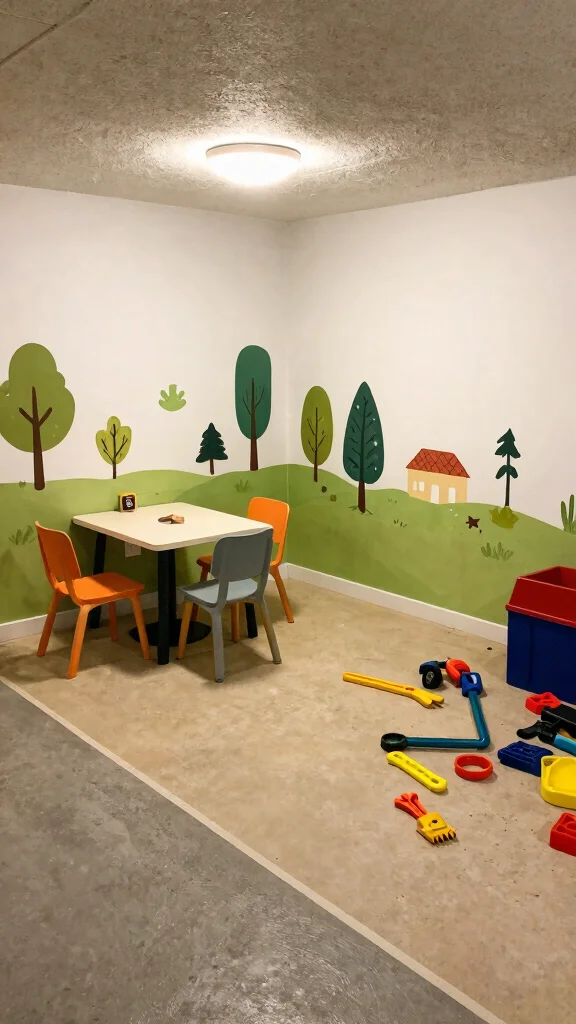
Transforming your basement into themed zones can elevate playtime to new heights! Create areas like a charming ‘café’, a bustling ‘construction site’, or an adventurous ‘nature exploration’ zone. Use themed decorations and furniture, such as a small café table and chairs or soft toy tools, to immerse your kids in imaginative experiences.
This thoughtful organization encourages imaginative play and helps children transition between activities smoothly, enhancing their overall enjoyment.
Themed Ideas:
– Use color-coded areas to define different zones.
– Incorporate themed props for engaging role-play.
– Add small rugs to delineate each space.
These playful zones will create a dynamic environment that sparks joy and creativity in your kids.
Recommended Products

Super Bright & Eye-Caring: SUNMORY 16W/1500LM LED Pharmacy floor lamp offers stepless brightness dimming (10%-100%) and color temperature adjustment (3000K-6000K), letting you instantly switch between bright task lighting for reading, working, crafting, or sewing, and a soft ambient glow for relaxing. This dimmable floor lamp features a built-in 16W energy-efficient LED panel, ensuring flicker-free illumination while reducing eye strain.

Energy-saving LED Floor Lamp: This LED standing lamp has a service life of 20,000+ hours, with built-in high brightness and high contrast LEDs that provide fine color contrast for close work. Designed to reduce eye strain during detailed tasks, the lamp shines 850–950 lumens, draws only 12W of electricity, and saves up to 80% compared with traditional incandescent lamps, making it efficient for everyday home lighting or professional use.

Remote & Touch Stepless Control: Use the magnetic remote from up to 49.2 ft away, or adjust this LED floor lamp directly through the touch panel. Both controls provide smooth 5%–100% stepless dimming and continuous color temperature adjustment from warm 3000K to cool 6000K. The remote attaches securely to the metal pole for convenient storage, making this floor lamp with remote easy to operate from a sofa, bed, desk, or worktable.
4. Functional Space-Saving Furniture
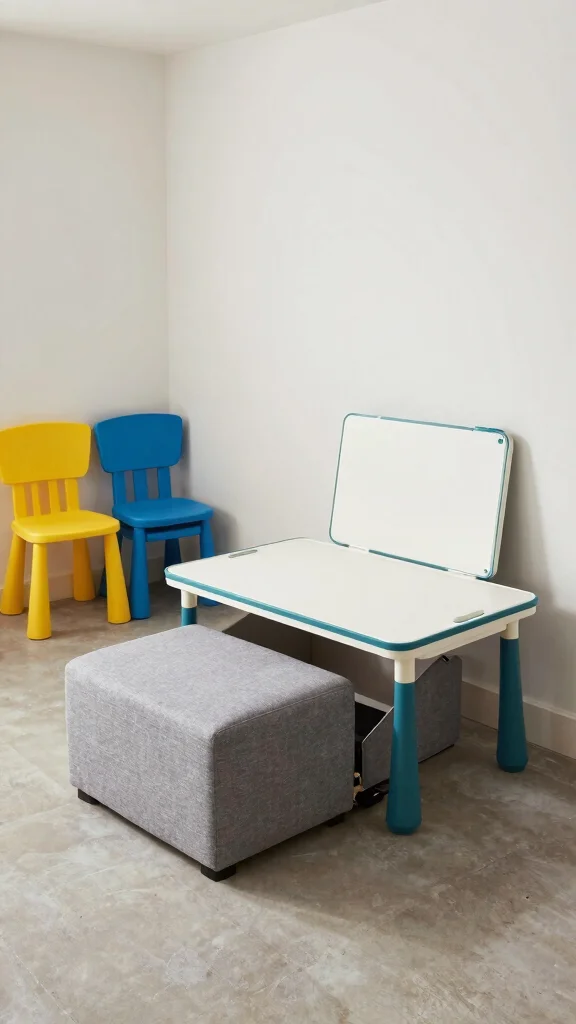
Optimizing space in a basement playroom calls for clever furniture choices. Select multi-functional pieces like ottomans that double as storage or foldable tables that can be tucked away when needed. These versatile options help maintain a tidy and open feel, making the most of smaller spaces.
Smart furniture selections keep the area organized while allowing room for fun activities and play.
Space-Saving Tips:
– Look for lightweight furniture that’s easy to move.
– Invest in stackable chairs for additional seating.
– Use benches with hidden storage for toys.
These innovative solutions will ensure your playroom remains neat and inviting, providing ample space for your children to enjoy.
Recommended Products

BEAUTIFUL AND ORGANIZED – Make your kids playroom space neat and organized with this toy storage organizer with bookshelf and 16 true black bins; Shelf Size: 60.2"W x 13.6"D x 31.5"H

🌈【Rainbow Hair Clip Holder】: (Bow Clip Not Included) iHansee bow holder features 7 long lace cloth ribbons tied to the wooden dowel, providing a total of 14 ribbons that can hold up to 150 bow clips. Each ribbon is sized at 22×0.5 inch, holds up to 20-25 small mini clips or 15 large bow clips. Keep every pair hair clips organized, visible, within easy reach, and no more digging through drawers.

Space – Saving Storage: Our corner – hanging stuffed animal net hammock maximizes room space. With a generous 71" x 47" x 47" capacity, it neatly stores piles of plush toys, dolls, and even clothes, banishing floor and shelf clutter.
5. Bright and Colorful Accents
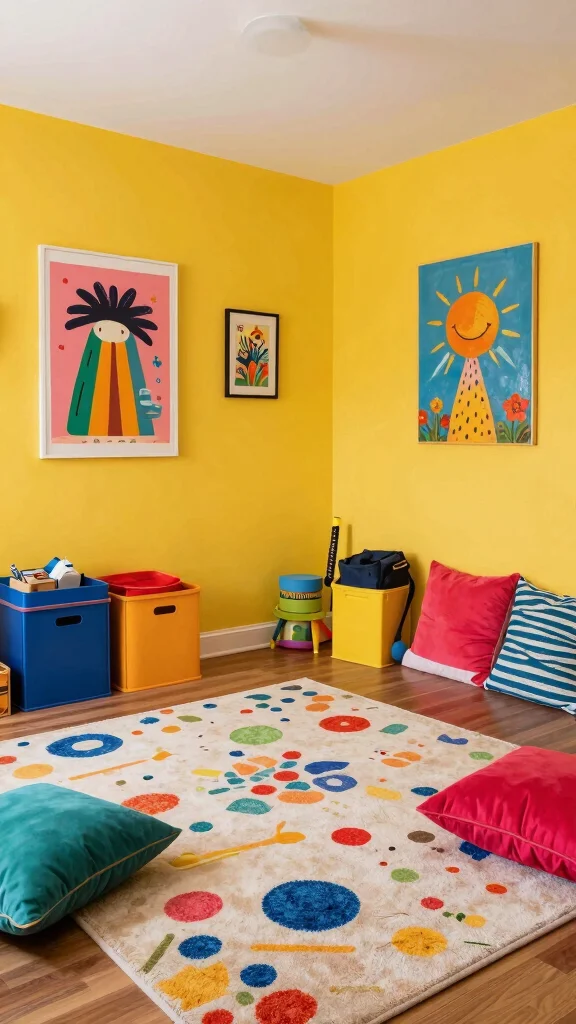
Injecting vibrant colors into your basement playroom can create an atmosphere full of joy and energy! Consider painting walls bright hues, adding colorful rugs, and hanging playful artwork to uplift the mood. Incorporate bold accent pillows and lively toys that enhance the cheerful theme, encouraging creativity and engagement.
This lively palette not only captures attention but also stimulates imaginative play, keeping kids happily occupied.
Color Tips:
– Select a few main colors to maintain consistency with pops of contrasting shades.
– Use removable wall decals for easy updates as tastes change.
– Incorporate various textures to make the space visually interesting.
A vibrant color scheme will transform the basement into a joyful haven where kids can thrive.
Recommended Products

KID ART TABLE WITH PAPER ROLL: Comes with a wooden table, 2 chairs, a paper roll and a built-in dispenser. Just pull and secure the paper with the knob—keeping the surface neat and steady for uninterrupted creativity, focused drawing. Ideal for inspiring imagination and artistic expression without limits.

Multi-Function Kids Table Set: This kids art table provides a comfortable and versatile space for reading, learning, drawing, playing and even mealtime. Overall dimension: 20.9"D x 44.1"W x 25.2"H

Effortless Clean up: The tabletop, treated for a smooth finish, easily wipes clean. Watercolor splatters or crayon marks disappear with a damp cloth, letting kids create freely
6. Indoor Play Gym
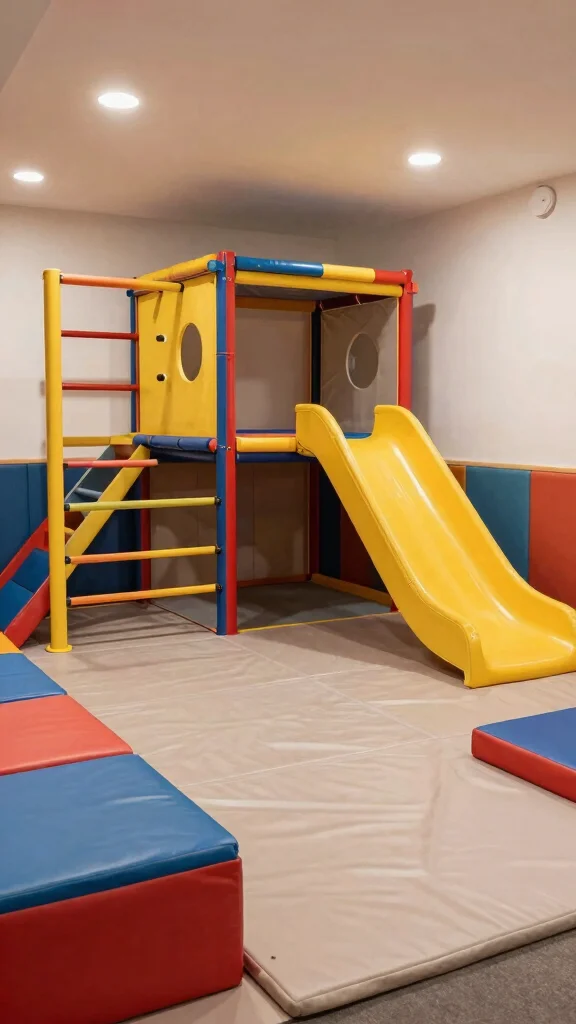
An indoor play gym offers a fantastic way to keep your kids active when outdoor play isn’t an option! Install climbing structures, slides, and soft mats, or even design a mini obstacle course for added fun. This setup promotes physical development while providing a secure space for energetic play.
Creating a fun indoor gym encourages children to move and explore, enhancing their fitness and overall well-being.
Gym Ideas:
– Use lightweight, removable equipment for easy setup.
– Ensure all play elements are suitable for your child’s age.
– Add a small soft play area with cushions for safety.
Establishing an engaging indoor gym will keep your kids fit and entertained, whatever the weather!
Recommended Products

This City Rug includes a Hospital, a School, a Airport and so much more!

Appropriate Size: 27.5 " W x 63 " L ; 0.4 " thickness. The rug provides more space for your child to jump and move freely

Cozy & Low Pile: Our elegant floral rugs are made of high-density, low-pile faux wool material and have a soft-touch surface, and the low-pile design won't interfere with door opening
7. Interactive Wall Features
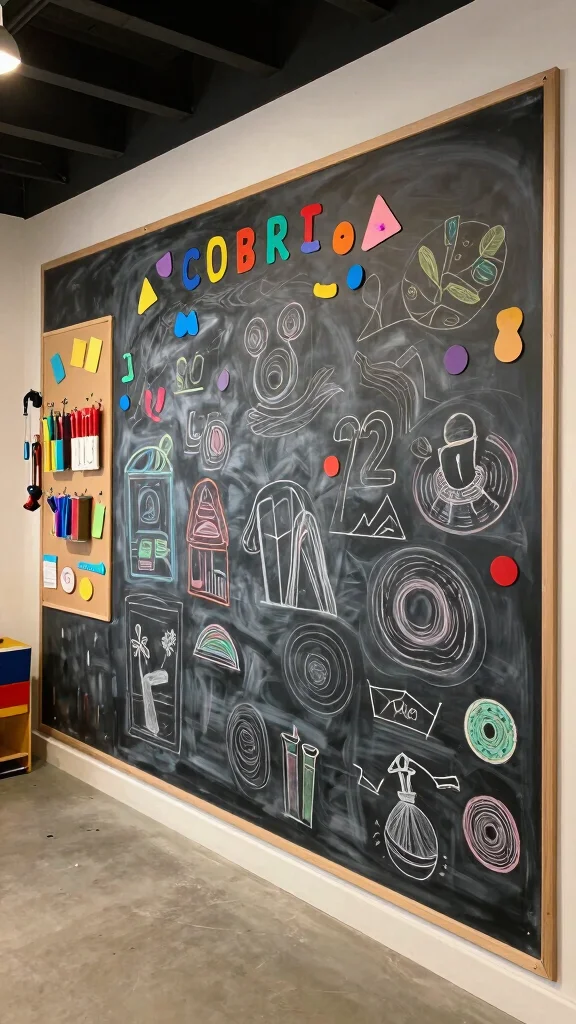
Enhance your playroom with interactive wall features that spark creativity and engagement. Adding chalkboard walls, magnetic boards, or whiteboards provides endless opportunities for drawing, writing, and problem-solving. Incorporate shelves or hooks to keep supplies within easy reach.
These dynamic surfaces turn walls into active play areas, making them a focal point of fun and learning.
Interactive Ideas:
– Rotate activities on the boards for fresh excitement.
– Add fun wall stickers or stencils for added flair.
– Use different heights for boards to cater to all ages.
These interactive features will inspire creativity, making your walls come alive with fun activities!
Recommended Products

Cozy Comfort for Little Loungers: ZICOTO’s bean bag cover is here to provide ultimate relaxation. Made from soft, durable fabric, it’ll be the perfect bean bag chair for kids (28x33x22”, stuffed) to chill, read or play. Just add filling & let the lounging begin!

HAPPYMONT Kids Bean Bag Chair: Crafted from soft, skin-friendly faux rabbit fur, this chair is durable and stain-resistant for easy cleaning. OEKO-TEX certified to ensure no fading, shedding, or pilling—safe for both kids and pets. A cozy addition to any room that stays beautiful over time

OEKO-TEX certified faux rabbit fur ensures safety. Soft & skin-friendly for kids' bare sitting, scratch-resistant for pets. Stain-proof & easy to clean—wipe spills with a damp cloth. Wash-tested: no fading, peeling or pilling. Remains fluffy and nice after long use
You might also like
8. Cozy Reading and Movie Zone
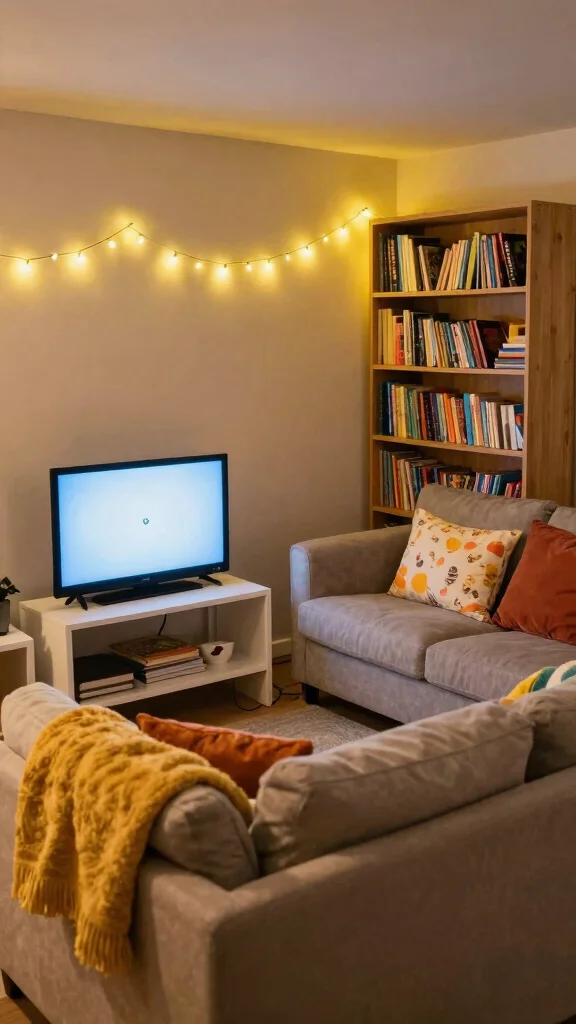
Combining a reading nook with a movie zone creates a comfy retreat for relaxation. Use a plush sectional couch or oversized floor cushions for seating, with a small screen or projector for entertainment. This area is perfect for family movie nights or enjoying a quiet read after a busy day.
Creating this cozy zone invites downtime and enjoyment, allowing kids to unwind in comfort.
Cozy Zone Tips:
– Set up fairy lights to add a whimsical touch.
– Use plush throws and cushions for added comfort.
– Include a nearby bookshelf for easy access to favorite stories.
Your children will cherish having a dedicated space to relax, dive into stories, or enjoy a movie together!
9. Nature-Inspired Decor
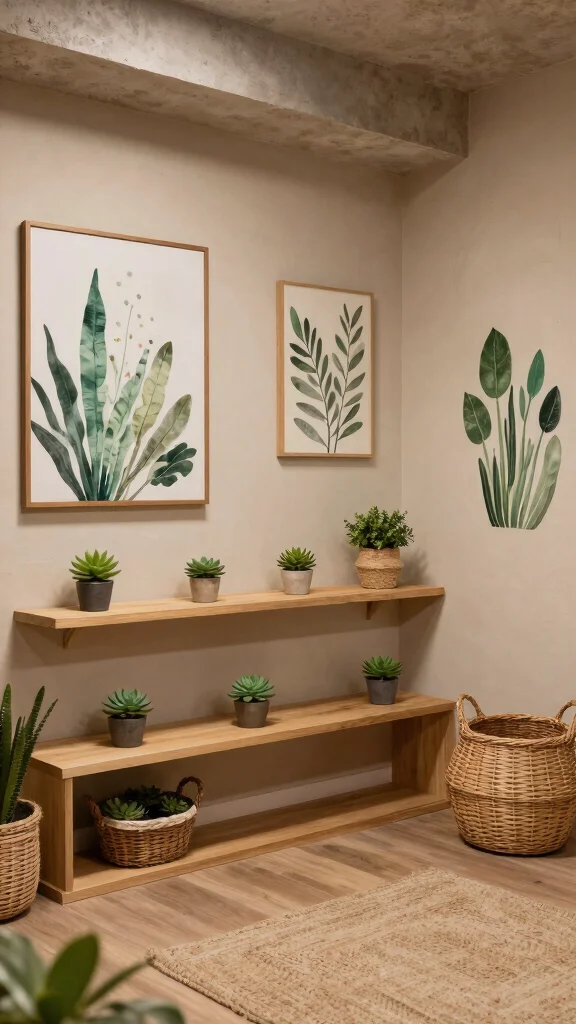
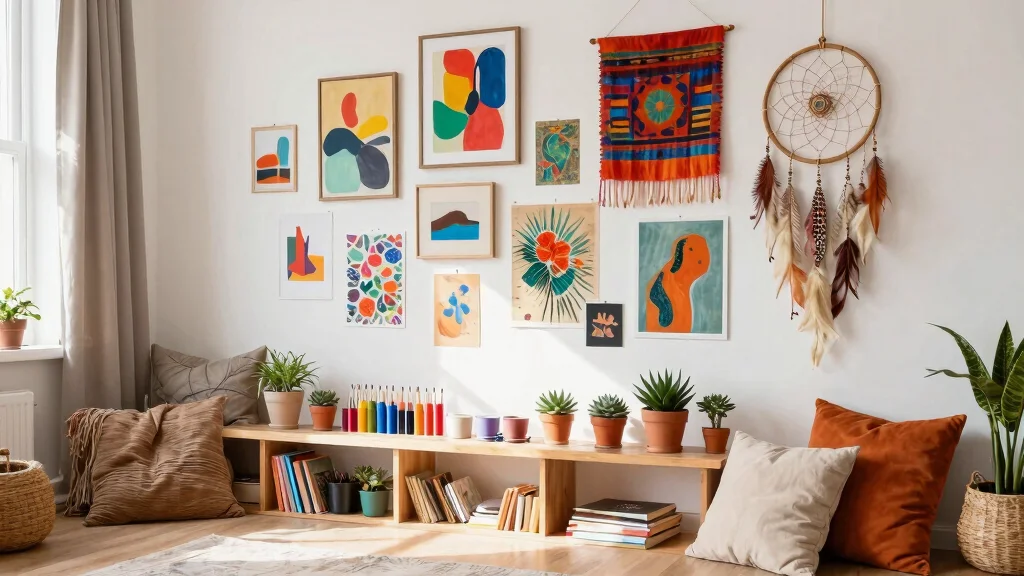
Bring the essence of the outdoors inside with nature-inspired decor. Use earthy colors, plant-themed artwork, and real or faux plants to craft a calming ambiance. This theme creates tranquility and helps children connect with their environment, enhancing their play experience.
Nature decor not only beautifies the space but also fosters a nurturing atmosphere for creativity and exploration.
Nature Decor Tips:
– Opt for easy-care plants like succulents for low maintenance.
– Incorporate wooden shelves or wicker baskets for a natural touch.
– Utilize nature-themed toys to enrich the decor.
This decor choice cultivates a serene environment, making playtime a delightful adventure in nature.
Dimensions & Size Guide
Standard Sizes & Measurements:
When planning a basement playroom, understanding dimensions is key. Here are some common sizes to consider:
– Play Area: Aim for at least 100 square feet for a small playroom. This gives kids space to move around safely while playing.
– Furniture: For space-saving playroom furniture, look for items that are around 18-24 inches in depth and 30-48 inches in width. This ensures they fit well without overcrowding the room.
– Seating: If you’re adding seating, standard options include chairs that are 16-18 inches high. This height suits most kids and allows comfort during playtime.
– Table Height: A play table should be 20-24 inches tall to accommodate young children. This height encourages interaction and creativity without straining their backs.
– Storage Solutions: Consider storage bins around 12-18 inches in height. This size allows children to reach toys easily while keeping everything organized.
Quick Reference Table:
Size/Dimension – Best for: [use case], Minimum space needed: [measurement]
– 100 sq. ft. – Best for: Play Area, Minimum space needed: 10′ x 10′
– 18-24 in. depth – Best for: Space-saving Furniture, Minimum space needed: 3′ x 2′
– 16-18 in. height – Best for: Kid Seating, Minimum space needed: N/A
– 20-24 in. height – Best for: Play Tables, Minimum space needed: N/A
– 12-18 in. height – Best for: Storage Bins, Minimum space needed: N/A
Space Planning Tips:
Planning your basement playroom involves careful measurements. Here are some tips to help you avoid common pitfalls:
1. Measure Twice, Cut Once: Always double-check your measurements before buying furniture. This helps prevent costly mistakes.
2. Leave Room for Play: Make sure to leave at least 3 feet of walking space around furniture. This ensures kids can play freely without bumping into things.
3. Visualize the Layout: Use painter’s tape to outline your furniture on the floor. This gives you a visual sense of how everything will fit.
4. Consider Ceiling Height: In basements, ceilings can be lower. Ensure that any indoor play gym or climbing structure fits comfortably without making the space feel cramped.
5. Plan for Growth: Kids grow fast! Choose furniture that can be adjusted or used in different ways as they get older. Consider multi-functional pieces that save space.
Pro Tip: The most important measurement is the play area size. A spacious area allows children to move freely, fostering creativity and active play! Make sure to prioritize an open space of at least 100 square feet in your basement playroom design.
Recommended Products

BUILD, DRIVE & EXPLORE THE TOWN: Start at the farm, pass the school, and cruise through the construction site with this colorful road map rug featuring a fire station, gas station, diner, market, police station, and more.

UNLEASH ACTIVE FUN WITH A 5PC TODDLER PLAYSET – Kiddzery’s kids play tent for toddlers includes 2 play tunnels, 1 square ball pit, 1 ball pool with a basketball hoop, and 1 teepee-style ball pit to create a fun toddler jungle gym, crawl tunnel, and obstacle course play area for boys and girls.

Healthy Material: This hop count hopscotch rug carpet made with high quality 100% nylon and durable skid-proof backing. No smell, non-slip, easy clean and protect you and your family healthy. This hop count hopscotch rug mat is extreme durable, stain resistant, fade resistant and made to last for many years.
10. Sensory Play Areas
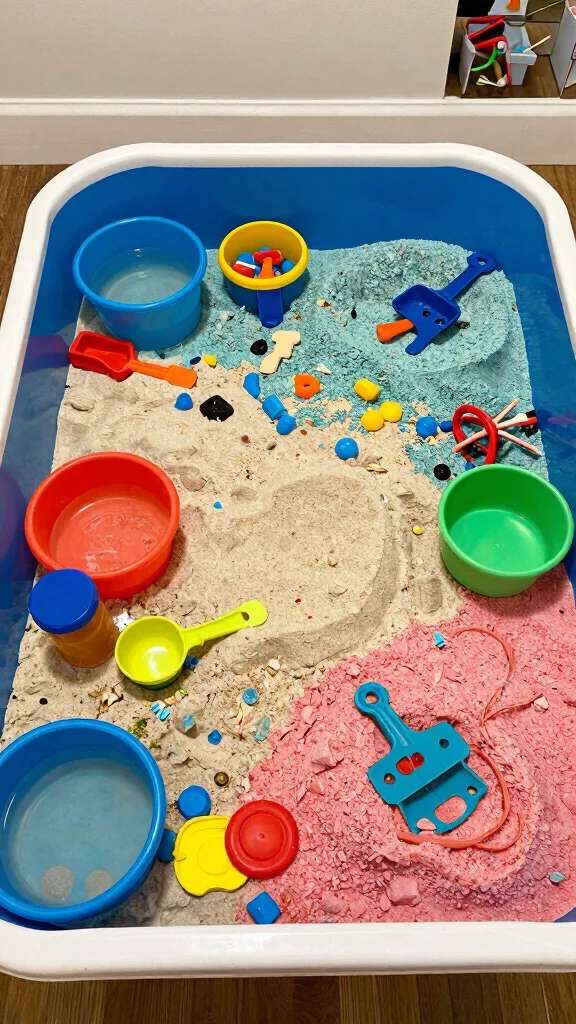
Sensory play is a vital component of childhood development. Designate areas for activities like sand, water, or slime play, using bins or tables filled with sensory materials that are easy to clean and store. This engaging play activates all five senses, promoting exploration and learning.
By facilitating sensory experiences, you foster imaginative play and support cognitive growth in a fun way.
Sensory Play Tips:
– Rotate sensory materials regularly to maintain interest.
– Use waterproof coverings for straightforward cleanup.
– Incorporate tactile elements like beads, rice, or fabric.
Creating designated sensory zones will enrich your children’s playtime and development!
Sensory play fuels curiosity—turn your basement into practical play zones with easy-to-clean bins for sand, water, and slime. Rotate materials weekly to keep kids exploring, while tidy storage makes these basement playroom ideas feel calm and doable.
11. Interactive Learning Spaces
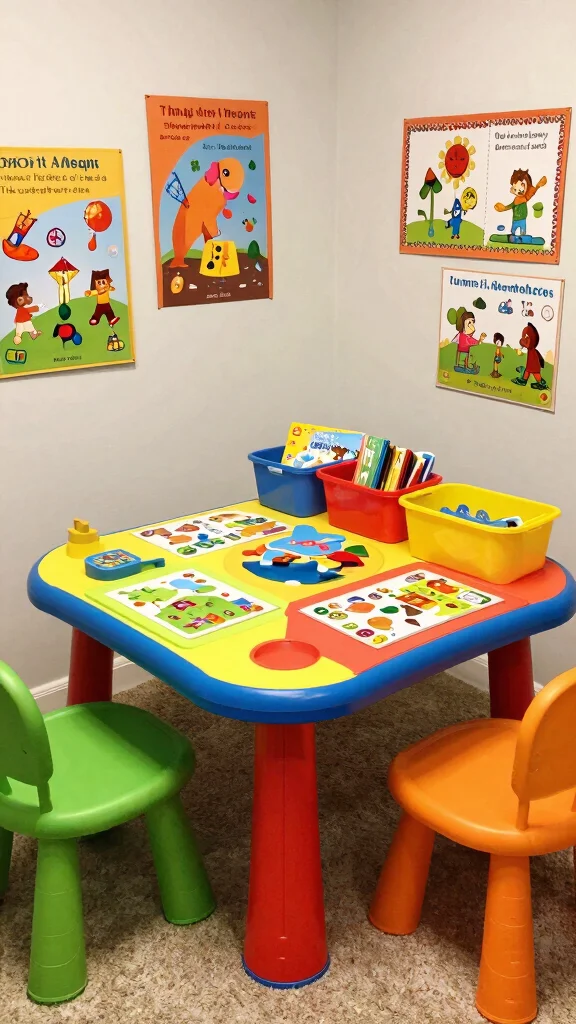
Set up an engaging area dedicated to learning games and activities! Use colorful educational posters, a learning table, and stimulating resources like puzzles or STEM kits. This setup makes education enjoyable and promotes learning through play.
Creating this space encourages curiosity and keeps young minds active and engaged in a fun environment.
Learning Space Tips:
– Use fun, colorful storage for educational materials.
– Incorporate a whiteboard for interactive lessons.
– Rotate games regularly to keep things exciting.
Establishing a vibrant learning space will inspire creativity and make learning an enjoyable adventure!
12. DIY Playhouse or Fort
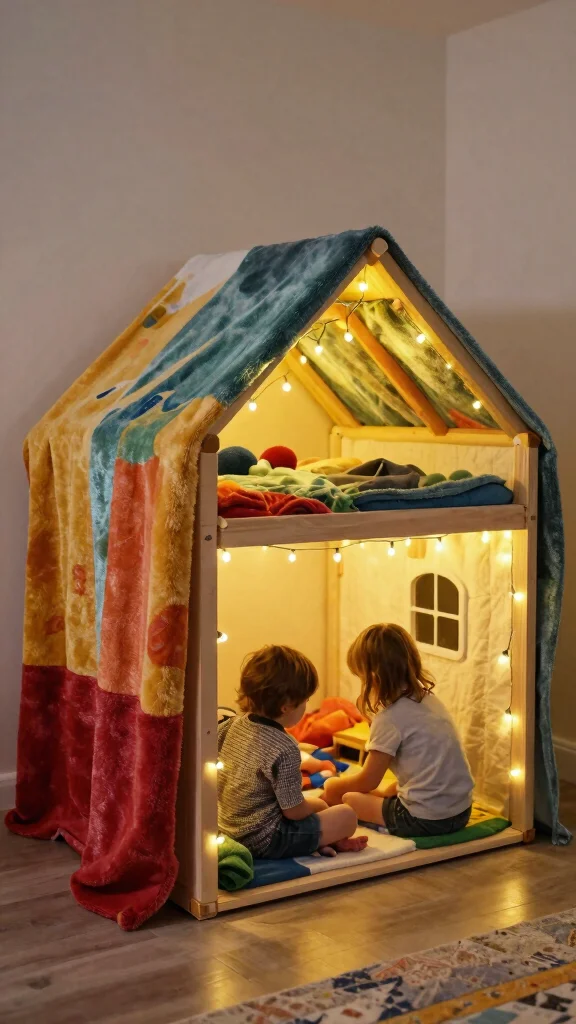
Build a DIY playhouse or fort that kids can proudly call their own! Use lightweight materials like cardboard or fabric for easy construction, allowing kids to decorate with their favorite colors and stickers. This hands-on project promotes teamwork and creativity as they personalize their own space.
Encouraging children to engage in this project fosters imaginative adventures and provides a secret hideaway for fun and play.
Fort Building Tips:
– Incorporate fairy lights for a magical atmosphere.
– Use cozy blankets for a warm feel.
– Allow them to invite friends for group play.
A DIY playhouse nurtures creativity and serves as a perfect spot for imaginative adventures!
You Might Also Like
13. Creative Storage Solutions
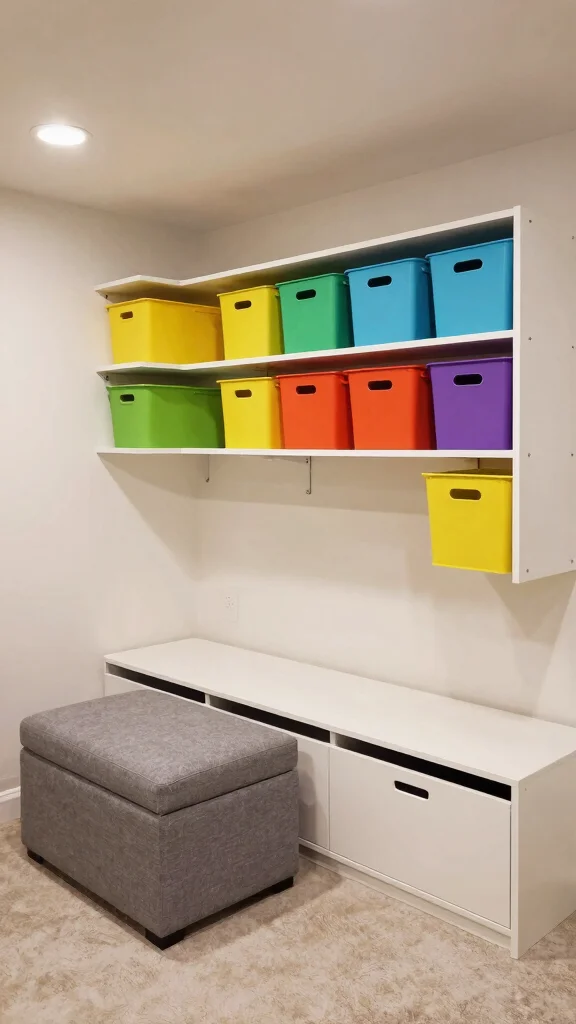
Keeping a playroom organized is crucial, especially in compact spaces. Utilize creative storage solutions such as wall-mounted shelves, labeled bins, or under-bed storage drawers to maximize space while keeping toys accessible. These options encourage tidiness and help kids find and put away their toys easily.
Implementing clever storage solutions promotes organization, making playtime more enjoyable for everyone.
Storage Tips:
– Choose clear bins for easy visibility of contents.
– Use color-coded systems to make clean-up fun.
– Incorporate furniture with built-in storage for efficiency.
With smart storage choices, your playroom will stay neat and inviting, fostering a sense of responsibility in your children.
14. Soft Play Areas
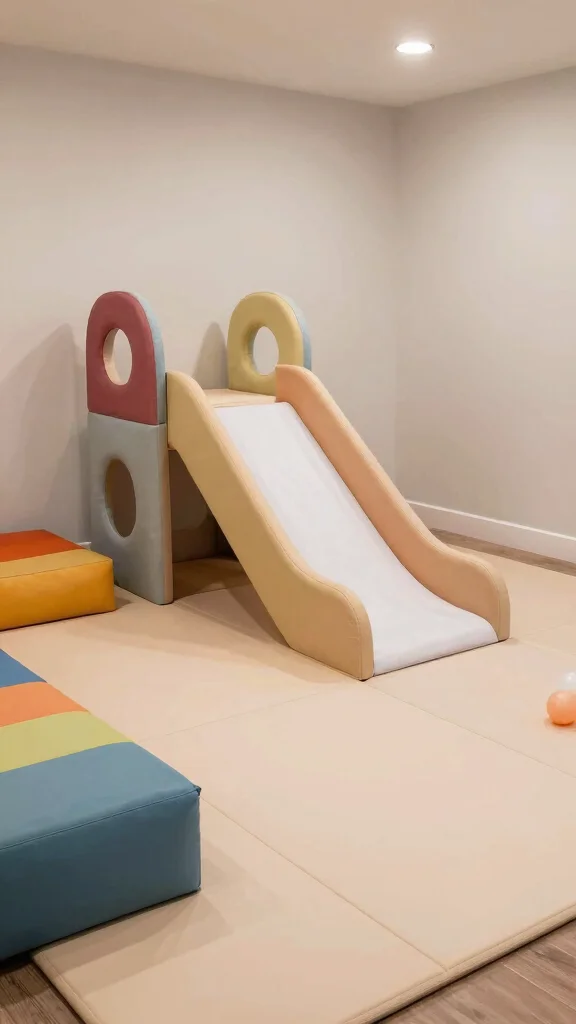
Incorporate soft play areas filled with cushions, small slides, and ball pits to create a safe and enjoyable environment for physical play. These zones encourage active movement while ensuring safety for your kids.
Soft play areas are perfect for nurturing exploration and helping children develop coordination and confidence.
Soft Play Tips:
– Use soft mats for added safety.
– Choose colorful, themed cushions to make it inviting.
– Include a variety of textures to enrich sensory experiences.
These playful areas create a fun and secure environment, allowing kids to play freely and explore their surroundings.
15. Personal Touch via Custom Art
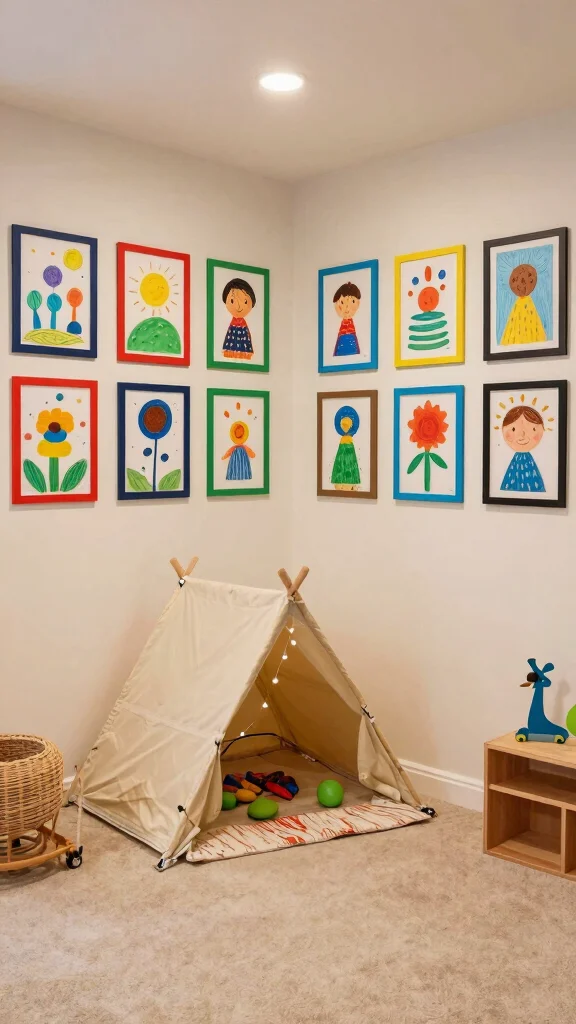
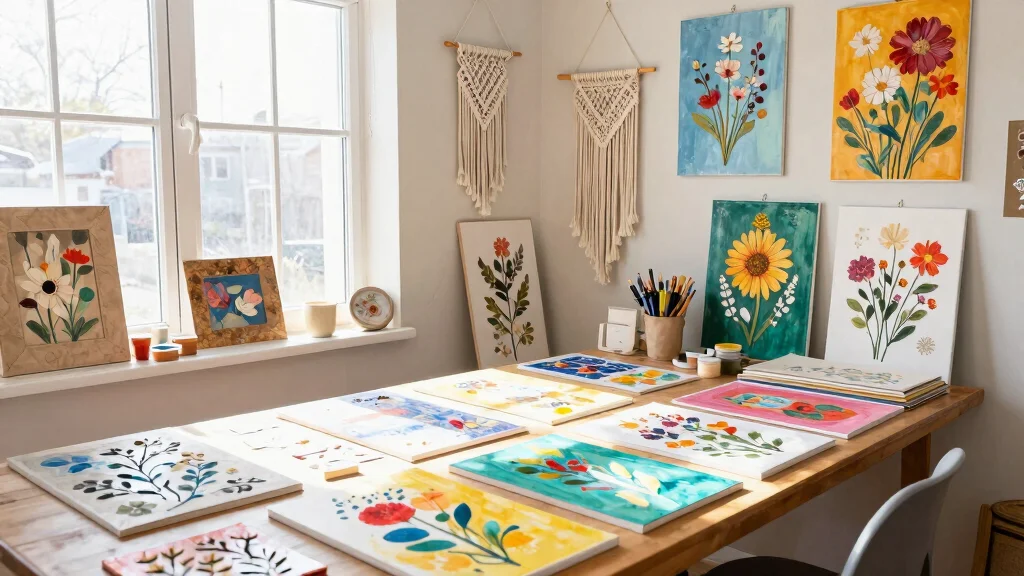
Personalizing the space with custom art helps make your basement playroom feel special. Collaborate with your kids to create artwork that reflects their personalities and interests through painting, photography, or DIY crafts. Hang their creations around the room to inspire pride and joy in their artistic expressions.
Adding personal touches through custom art not only beautifies the space but also fosters a sense of ownership and belonging.
Art Personalization Tips:
– Use frames to elevate and protect their artwork.
– Incorporate a rotating display to showcase new pieces regularly.
– Encourage kids to narrate stories about their art to promote communication.
Custom art enriches the playroom atmosphere, creating a space that feels uniquely theirs.
Make space feel magical by turning your kids’ art into the room’s design. Collaborate on paintings and DIY crafts, then display their masterpieces around the basement playroom. It boosts ownership and joy—basement playroom ideas with a personal touch.
16. Nurturing Imagination with Role Play
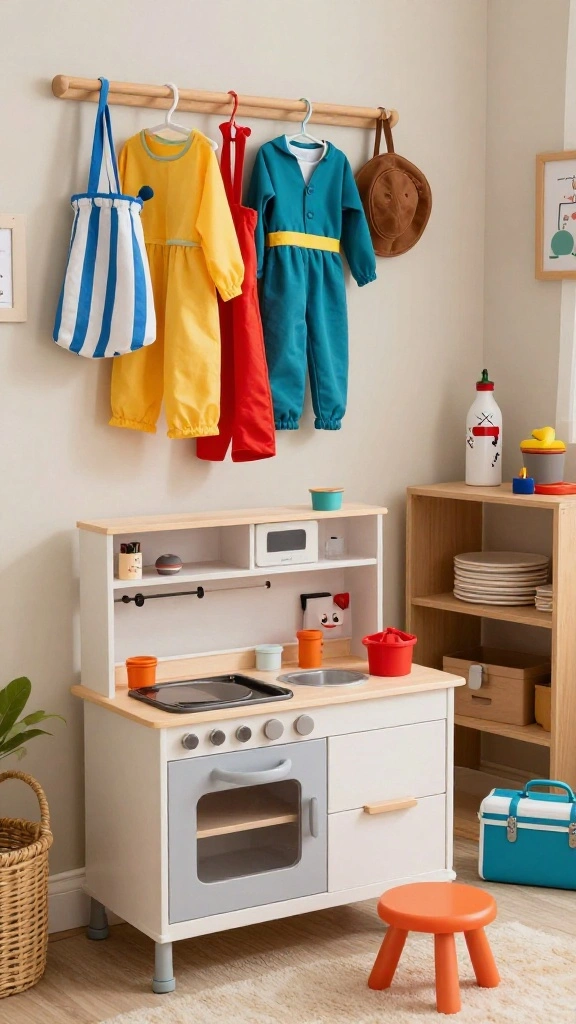
Encouraging role play is vital for imaginative development. Create a pretend-play area filled with costumes, props, and themed accessories, such as a kitchen set, doctor’s kit, or marketplace. This designated space allows kids to step into different roles, sparking creativity and enhancing social skills.
Fostering imaginative role play creates opportunities for fun and learning through creative expression and cooperation.
Role Play Tips:
– Rotate costumes and props to keep play engaging.
– Create a mini stage for fun performances.
– Include a mirror for kids to see their characters in action.
Nurturing imaginative play encourages your little ones to explore their creativity while having a blast!
Conclusion
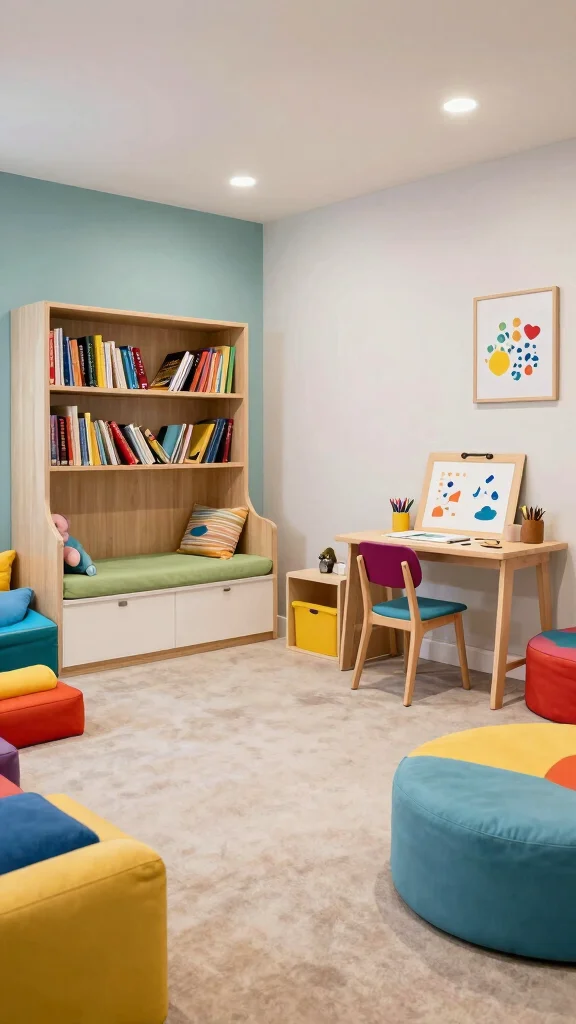
Transforming your basement into a playful paradise is not just about functionality; it’s about creating a space filled with joy and imagination.
Each of these ideas offers a unique way to engage your children, encouraging creativity while keeping things organized and vibrant.
With a little effort and imagination, your basement can become the ultimate playroom that your kids will cherish for years to come!
Frequently Asked Questions
Question: What are the best space-saving ideas for a basement playroom in a small space?
For a basement playroom in a small space, start with space-saving playroom furniture like wall-mounted desks, fold-away tables, and modular seating that tucks away when not in use.
Maximize vertical storage with wall shelves and labeled bins to keep things visible and organized. Create zones with area rugs and layered lighting to avoid a cramped feel, and use a few colorful playroom accents to keep the space lively without overwhelming it. If you’re aiming for basement playroom ideas that work in small spaces, start with a plan that prioritizes function and flow.
Question: How can I design a colorful, kid-friendly basement playroom that still looks stylish?
Design with a cohesive palette using a primary color and colorful playroom accents to keep it playful. Choose durable, easy-to-clean furniture and surface materials suitable for kids. Introduce creative playroom themes elements through removable decals or wall art so you can refresh the look as kids playroom design evolves. Balance bold colors with calmer tones on larger surfaces to maintain a stylish, age-appropriate space.
Question: What space-saving furniture and layout ideas work best in basements with lower ceilings?
Go with low-profile, modular pieces that maximize floor space: space-saving playroom furniture like storage benches, low shelves, and wall-mounted organizers. Use vertical storage and pegboards for easy access to toys and craft supplies. Position furniture away from low ceiling zones and keep walkways clear to preserve an open feel in your basement playroom ideas.
Question: How can I create multiple play zones in a compact basement without making it feel crowded?
Define distinct zones with area rugs, a bookcase as a subtle divider, and color or wall decals to mark each area. Use basement decor tips like consistent wood tones or coordinating textiles to tie zones together, while kids playroom design keeps it practical. Choose creative playroom themes and multi-use pieces to let activities rotate without crowding the space.
Question: What are budget-friendly basement decor tips to maximize play space and safety?
Start with a clear plan and reuse what you already have. Look for second-hand basement decor tips that are kid-safe and durable, or DIY storage solutions to save money. Prioritize lighting, cushioned flooring, and outlet safety to keep the play area safe. Add colorful playroom accents with affordable textiles and wall decals, and choose space-saving playroom furniture that fits your budget and space.
Recommended Products
HAPPYMONT Kids Bean Bag Chair: Crafted from soft, skin-friendly faux rabbit fur, this chair is durable and stain-resistant for easy cleaning. OEKO-TEX certified to ensure no fading, shedding, or pilling—safe for both kids and pets. A cozy addition to any room that stays beautiful over time

Comfy Kids Bean Bag Chair: The material of the bean bag chair is corded fabric, give a cozy and comfortable feeling, increasing the warmth and intimacy of the indoor atmosphere and maintaining the beauty and freshness for a long time

Related Topics
basement playroom ideas
kids playroom design
small spaces
colorful accents
creative themes
space-saving furniture
budget friendly
DIY playroom
family-friendly decor
functional design
easy organization
modern playroom
Leave a Reply