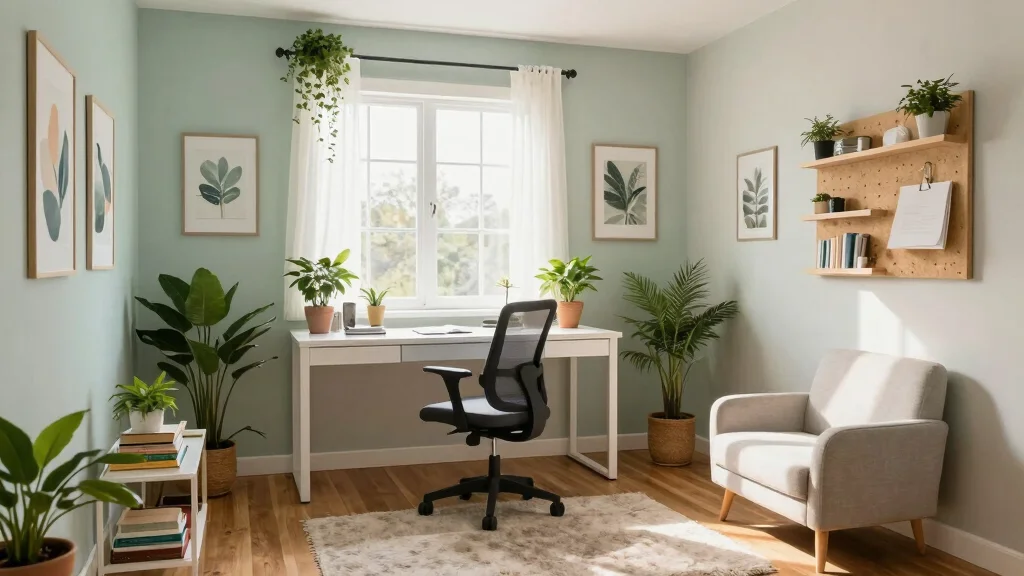
Creating a cozy, functional space in a small basement can be a challenge, but it doesn’t have to be stressful. With many of us looking to make the most out of every square inch of our homes, I decided to share some practical tips that highlight small basement ideas layout. Whether you have dreams of a stylish home office, a relaxing lounge area, or simply need extra storage, these ideas aim to improve the flow and overall feel of your basement.
If you’re a homeowner or renter trying to maximize your space, this guide is for you. You might feel overwhelmed by the possibilities or uncertain about where to begin. Don’t worry! I’ve gathered fifteen layout tips that are not only easy to implement but also focused on making your small basement area functional and inviting.
By the end of this post, you’ll have a toolkit of creative basement design ideas, space-saving solutions, and functional layouts that enhance your space. You’ll learn how to optimize lighting, incorporate personal touches, and keep everything organized. Get ready to transform your small basement into an area you love spending time in!
Key Takeaways
– Utilize Vertical Space for Storage: Maximize storage by installing shelves and cabinets that go up to the ceiling, freeing up floor space for other uses.
– Create Multi-Functional Furniture: Invest in furniture that serves more than one purpose, such as a sofa bed or storage ottoman, to save space without sacrificing comfort.
– Focus on Light Colors: Use light colors on walls and furniture to make the space feel larger and brighter, creating an airy atmosphere.
– Incorporate Natural Elements: Bring in plants or wooden features to add warmth and a connection to nature, which can make the basement feel more inviting.
– Keep It Organized: Develop a system for organization that includes bins, labels, and designated areas for different items, ensuring your small basement remains tidy and functional.
Recommended Products

1.Heavy-duty storage rack built for garage shelving – Z-frame + 0.9mm columns support 400LBS per tier. 90x40cm large shelves hold bulky tools, parts, and boxes with ease. Sturdy, stable, and workshop-ready.

2000 lbs Load Capacity: With a total capacity of up to 2000 lbs, each garage shelf holds 400 lbs, allowing you to store more items and tools in your garage or warehouse.

1650 LBS Ultra-High Load-Bearing Capacity:Built with reinforced heavy-gauge steel frame and thickened support beams, this garage shelving unit features a total static load capacity of 1650 LBS (330 LBS per tier). It easily supports heavy tools, storage bins, workshop equipment, and bulk supplies, delivering industrial-grade strength for all your heavy storage needs.
1. Utilize Vertical Space for Storage
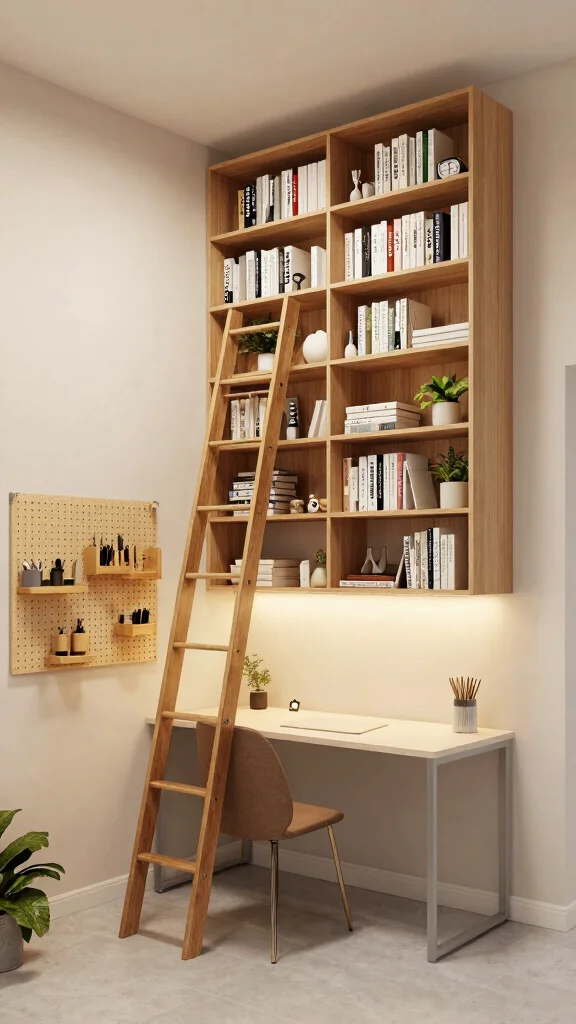
Maximizing vertical space is essential in small basements. By installing shelves or tall cabinets, you not only create more storage but also enhance the visual appeal of the room. Think about using open shelving to showcase decorative items or opting for sleek cabinetry to maintain a clean, organized look. For example, pairing white shelves with rich wooden accents can create a striking contrast that draws the eye upward.
To implement this idea, consider budget-friendly options like DIY floating shelves or thrifted cabinets. You can also browse local marketplaces for second-hand pieces that add character without breaking the bank. This approach aligns with current design trends that favor minimalism and functionality while promoting a serene environment.
Consider these strategies to effectively use your vertical space:
– Pair wall-mounted shelves with colorful books and plants.
– Install tall cabinets to keep tools and supplies neatly stored.
– Use pegboards for a stylish organization of essentials.
By utilizing your walls wisely, you’ll create a more open and inviting atmosphere. Textures and materials, like wood and metal, will enrich your design, making it both functional and beautiful.
Recommended Products

【QUICK ASSEMBLY, EASY FOLDAWAY】This storage ottoman from the SONGMICS MAZIE Collection has a foldable design that allows quick setup in seconds by simply inserting the bottom panel. Easily fold and store it under the bed or in a closet when not in use

Elegant Focal Point for Your Home: With its chic linen-look fabric and tufted design, this shoe storage bench enhances any living room or bedroom decor, working beautifully as an end of bed bench or a cozy window seat

3-in-1 Convertible Sofa Bed: This 3 in 1 cloud sofa seamlessly transforms between a 60’’ sofa, lounge chaise and near full size bed without extra tools, serving as an ideal solution for space-limited studio apartments, rental homes and RVs. This loveseat sleeper sofa eliminates the need to purchase separate sofas, recliners, and temporary beds individually, cutting extra furniture expense and making the most of cramped floor space
2. Create Multi-Functional Furniture
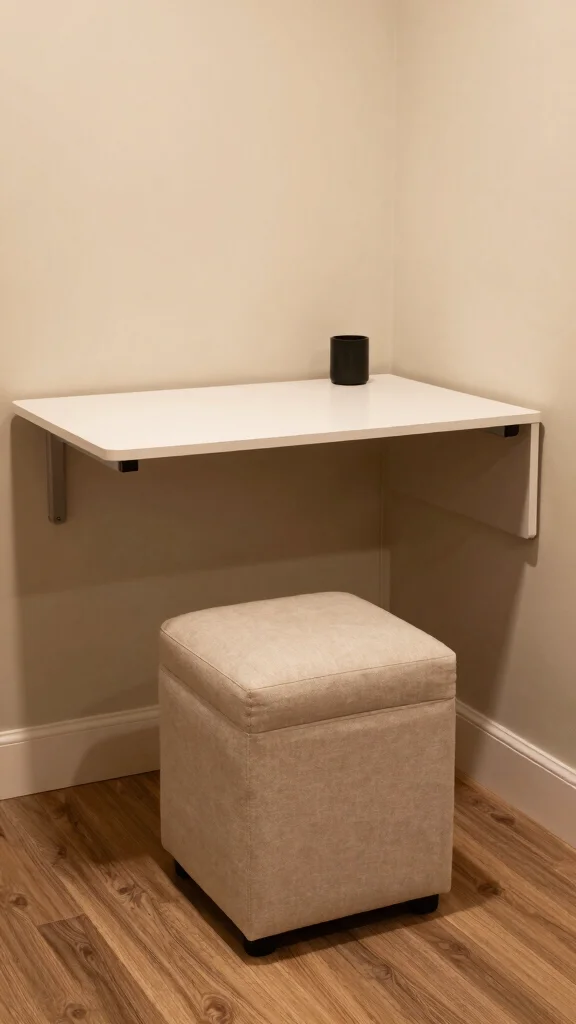
In a small basement, every piece of furniture should pull double duty. Look for versatile items that can easily transition between functions, maximizing space without sacrificing style. For instance, a foldable table can serve as a workspace during the day and a dining table in the evening.
Consider affordable options like storage ottomans or convertible sofas, which can provide both seating and hidden storage. This trend towards multi-functional furniture not only caters to space limitations but also enhances the flexibility of your living area, making it adaptable to your lifestyle needs.
Explore these multi-functional ideas:
– Fold a desk away when not in use.
– Use storage ottomans for seating and stowing items.
– Incorporate Murphy beds for guest accommodations.
Embracing multi-functional pieces allows for a dynamic and inviting space. Quality designs can elevate the room’s aesthetic while ensuring practicality in your basement.
Recommended Products

ALL-IN-1 PAINT & PRIMER: A hardy multi-purpose and multi-surface one-coat paint and primer in one for almost any indoor or outdoor surface. A wall, ceiling, floor, skirting board, cabinet, furniture and door paint for your bathroom, kitchen, home and garden.
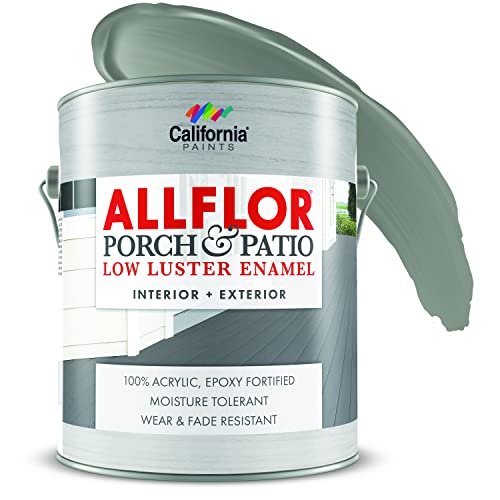
ENAMEL FLOOR PAINT: Provide your floors with an extremely durable and long-lasting finish using California Paint ALLFLOR Porch, Patio and Floor Enamel Paint.

This high-quality, acrylic latex water-base interior/exterior paint offers excellent hiding properties with great adhesion and water repellency on textured interior and exterior surfaces
3. Focus on Light Colors
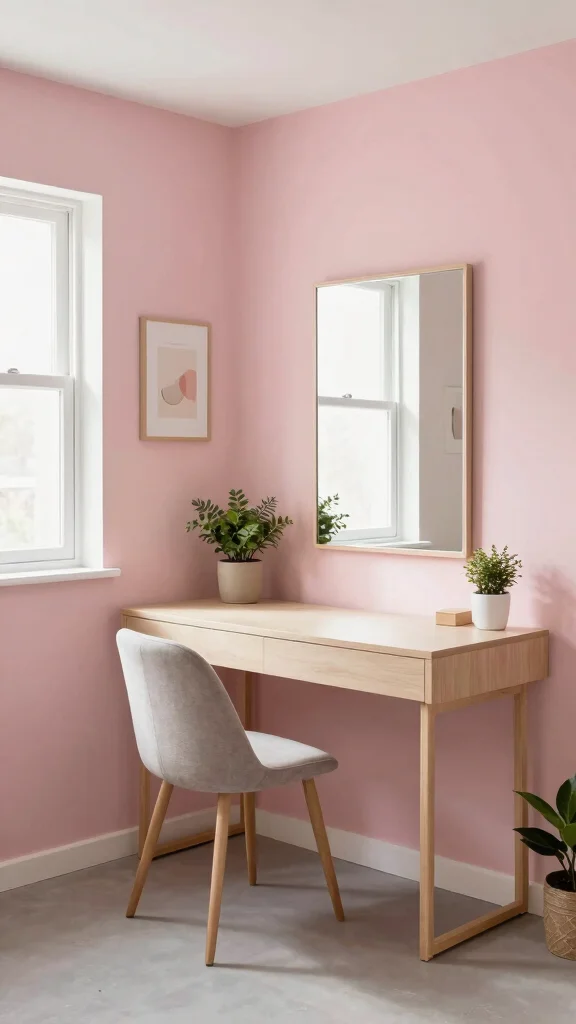
Light colors can dramatically change the perception of your basement, making it feel larger and more welcoming. Soft hues reflect natural light, creating an airy ambiance. Opt for shades like soft whites, delicate blues, or gentle grays to foster that expansive sensation throughout the space.
Incorporate light-colored furnishings to complement your wall colors and maintain a cohesive look. Adding mirrors can further enhance the light flow, giving the illusion of a more spacious area. This approach taps into a design trend that prioritizes brightness and openness in small spaces, uplifting the overall atmosphere.
Consider these tips for applying light colors:
– Paint an accent wall with soft pastel hues.
– Choose light fabric furnishings that match your palette.
– Use mirrors strategically to reflect light and space.
By focusing on light colors and reflective surfaces, you can transform your basement into a cheerful sanctuary. The interplay of textures and light will create a harmonious and inviting environment.
Recommended Products

PROFESSIONAL GARAGE WALL ORGANIZATION SYSTEM: Transform empty wall space into a clean, structured tool organization station with our 46.5"x12.5" garage wall shelving, featuring heavy-duty hanging shelves and a sleek black rack. Create dedicated zones for drills, hand tools, gardening equipment, and car care supplies – designed for serious garage

【Sturdy Shelving Unit Loads 2256LBS】REIBII's metal shelving adopts thickened columns and 5mm thickened MDF board. Each shelf has an extra sturdy metal support bar underneath (5 in total). Each layer can withstand a weight of 376 pounds, with a total bearing capacity of 2256 pounds

Heavy-Duty Sturdy Storage Shelves: Our team conducted extensive market research and found that many garage shelving on the market lack stability—they easily wobble or deform, which is incredibly frustrating! unlike ordinary shelves, the AOAORGG garage shelves features an upgraded premium heavy-duty metal design that significantly enhances sturdiness, stability, and weight capacity. It’s durable enough to safely hold various items, so you never have to worry about wobbling or collapsing.
🏡 Transform Your Space Like a Pro
Revamp your small basement office with expert DIY tips and creative decor ideas for every style.
Dimensions & Size Guide
Standard Sizes & Measurements:
When planning your small basement layout, it’s crucial to keep standard sizes in mind to maximize functionality. The average basement height is around 8 feet, which provides adequate space for lighting and ventilation. For a basement office, aim for at least 100-150 square feet to ensure comfort while working. If you prefer a lounge area, consider a size of 150-200 square feet for a cozy setup.
For furniture, a standard desk is typically 60 inches long and 30 inches deep. Ensure there’s at least 30 inches of clearance around the desk for easy movement. Chairs should have at least 24 inches of width to allow for comfortable seating without crowding. These measurements help in creating a flow that feels open and inviting.
Quick Reference Table:
Size/Dimension – Best for: [use case], Minimum space needed: [measurement]
– Desk (60″ x 30″) – Best for: Home office, Minimum space needed: 10′ x 10′
– Sofa (72″ x 36″) – Best for: Lounge area, Minimum space needed: 9′ x 12′
– Coffee Table (48″ x 24″) – Best for: Central space, Minimum space needed: 3′ x 4′
– Bookshelf (36″ x 12″) – Best for: Storage, Minimum space needed: 4′ x 5′
– Chair (24″ x 24″) – Best for: Guest seating, Minimum space needed: 2′ x 2.5′
Space Planning Tips:
1. Measure Twice, Cut Once: Always double-check your measurements before purchasing furniture. This simple step prevents costly mistakes. Make sure you account for door swings and walking paths.
2. Leave Room for Movement: Aim for at least 24-36 inches of space for walking paths. This ensures a comfortable flow in your small basement, avoiding that cramped feeling.
3. Consider Ceiling Height: If you have low ceilings, opt for low-profile furniture. This can create an illusion of more space and help avoid a claustrophobic atmosphere.
4. Think About Scale: Large furniture in a small basement can make the space feel smaller. Choose items that fit the dimensions of your space to maintain balance.
5. Avoid Clutter: Keep items organized. Use storage solutions that fit neatly into your layout. This keeps your small space functional and reduces visual clutter.
Pro Tip: The most important measurement in your basement is the height. If your ceiling is lower than 7 feet, you may feel cramped. Aim for at least 8 feet to ensure a comfortable and airy atmosphere while working or relaxing.
Recommended Products

【ottoman】Our ottoman has the better size and Relaxed color,Length 17 x width 13 x height 13 inches and Grey,It is also a comfortable footstool,Proper size and thickened sponge pad can make him a good footrest,Sitting on the sofa and putting your feet on the ottoman can relax your legs, relax your whole body and enjoy the pleasant time

SUPER STURDY: The medium density fiberboard used in this ottoman is made from FSC certified wood, strong and durable, has the load bearing capacity up to 600 lbs (static load capacity). The thick padding and soft fabric make this end of bed bench comfortable and welcoming in any entryway or bedroom

Versatile Movable Ottoman with Hidden Storage: This chaise lounge chair indoor features a movable footstool that can be repositioned freely to fit your needs, and the built-in hidden storage compartment lets you stow pillows, remotes and blankets neatly to keep your living space clutter-free
4. Open up the Floor Plan
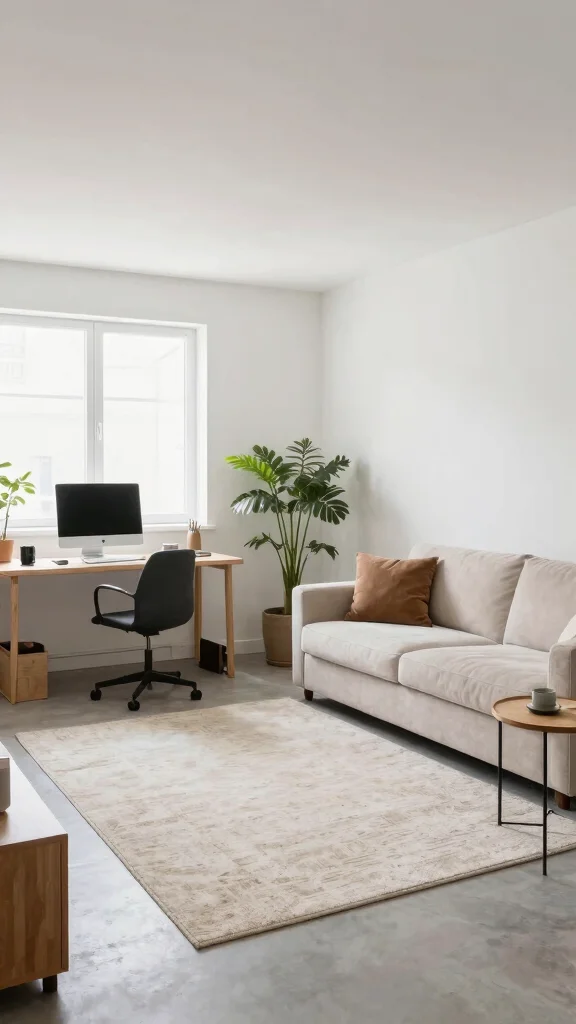
Creating an open floor plan can significantly increase the functionality of a small basement. When furniture is arranged thoughtfully, it allows for smoother movement and helps the space feel less cramped. For instance, positioning seating away from walls can create a more inviting layout.
Avoid using bulky furniture that obstructs pathways, and instead, consider using rugs to define spaces without closing them off. This strategy aligns with contemporary design trends that emphasize connectivity and fluidity within a home, enhancing interaction in your basement.
Implement these ideas to achieve an open feel:
– Arrange furniture to allow easy traffic flow.
– Use lightweight pieces that can be moved effortlessly.
– Define zones with rugs rather than walls.
An open layout fosters a sense of freedom and connection, making your basement a more enjoyable space to inhabit. Thoughtful arrangements will make your area feel more spacious and welcoming.
Recommended Products

Battery Operated Picture Lights: The 3-pack picture lights is powered by 3A batteries(not included), making it convenient and easy to install without the need for wiring or electrical outlets.


Effortless DIY Installation: Peel and Stick Wallpaper, No Fuss, No Mess! Skip the paste, extra tools, or pro help. This antique bookshelf wallpaper installs in minutes! Waterproof, self-adhesive, and removable, this vintage wallpaper is perfect for quick home makeovers, dorm upgrades, or rental refreshes.
5. Incorporate Natural Elements
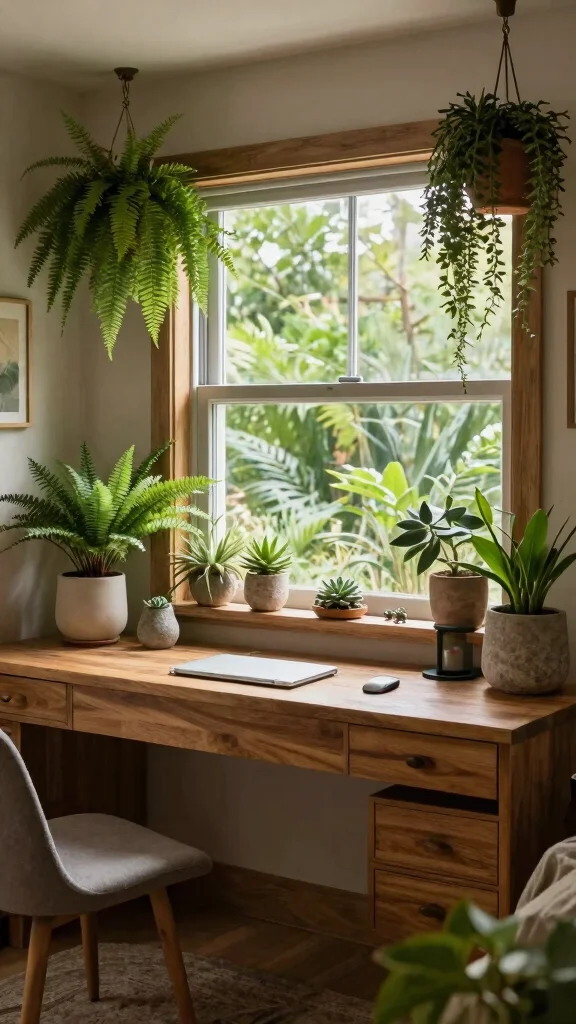
Integrating natural elements into your basement can create a refreshing atmosphere that enhances mood and productivity. Introducing plants not only purifies the air but also brings vibrant color and life into the space. Consider using wooden accents or stone features to add warmth and texture.
Utilize large windows or skylights to maximize natural light, making your basement feel more connected to the outdoors. This trend aligns with the growing appreciation for biophilic design, which promotes well-being through nature-inspired elements.
Try these ideas for incorporating nature:
– Add potted plants that thrive in low light.
– Use wooden shelves or stone decor for warmth.
– Install skylights to enhance natural light flow.
Bringing in these natural features not only beautifies your space but also fosters a sense of calm and creativity. The combination of organic materials and greenery will create a soothing environment that you’ll love to spend time in.
Recommended Products

【Easy to Clean & Low Maintenance】Washable rugs 8×10 are designed for effortless home care. Simply toss the rug into the washing machine for a quick refresh (cold water recommended). Stain-resistant and quick-drying material allows easy upkeep with a standard vacuum cleaner. Spills wipe away effortlessly with a towel or damp cloth. 8×10 area rugs maintain vibrant colors and proper shape even after repeated washing, greatly reducing the maintenance hassle of traditional carpets.

NEUTRAL ABSTRACT RUG: This rug features a unique neutral abstract design that combines the brown and grey color, adding more warmth and cozy to your home. The carpet is good for living room, bedroom, dining room study room, home office, etc

【Super Soft Area Rug】Our 5×7 area rugs are crafted from soft and high-density material that create a velvety texture, gently cushioning every step—like walking on a cloud. Featuring a modern abstract design with bold artistic print patterns, the area rug adds a contemporary touch to any space. Ideal beige rugs for living room, bedroom, dining room under tables, nurserys, or office.
6. Add Personal Touches
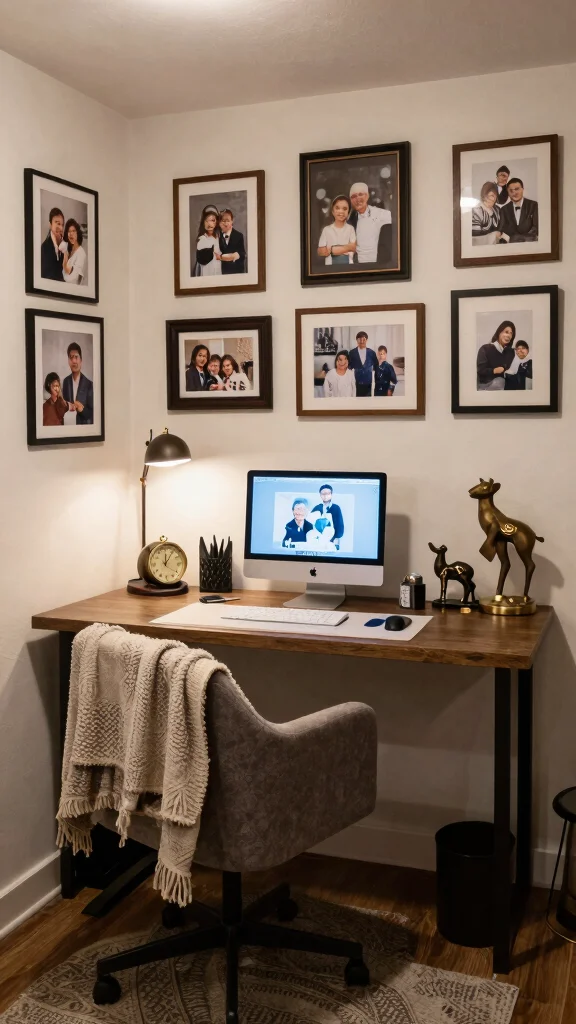
Your basement should reflect who you are, making it a space that inspires and welcomes you. Adding personal touches can transform the area into a cozy retreat. Choose wall art that resonates with your personality, whether it’s favorite quotes, family photos, or unique pieces from travels.
Incorporate decorative items that tell your story, ensuring your basement feels like a true extension of yourself. This approach not only enhances comfort but also fosters creativity by surrounding yourself with things you love.
Consider these personalizing strategies:
– Hang artwork that inspires you daily.
– Display family photos for a sense of belonging.
– Use cherished trinkets to add unique flair.
Creating a personal environment encourages creativity and comfort, making your basement a more enjoyable place. Balancing personal touches with functional design will ensure the space remains inviting and practical.
Recommended Products
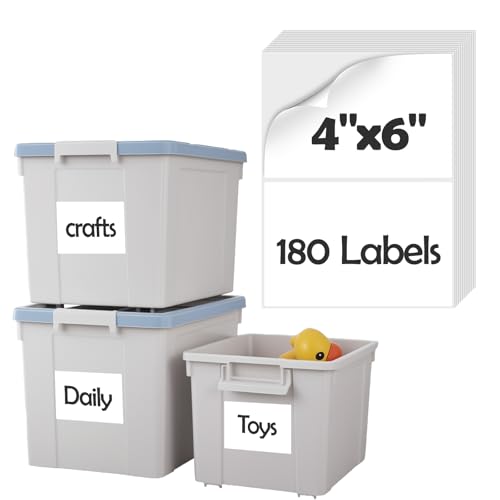
LARGE REMOVABLE LABELS –– 180 4"x6" White Matte Removable Labels provide ample space to write down the necessary information. 90 sheets, 2 labels per sheet

Value Set: 10 packs black 3.9*3.9*1.8 inch pegboard bins with metal hooks and labels included for convenient organization

What You Get: you will receive 16 peg board bin organizers, 16 matching hooks, 4 sticker labels, and 1 marker; The abundant quantity is enough to meet your daily storage needs and keep your tools organized
7. Use Rugs to Define Areas
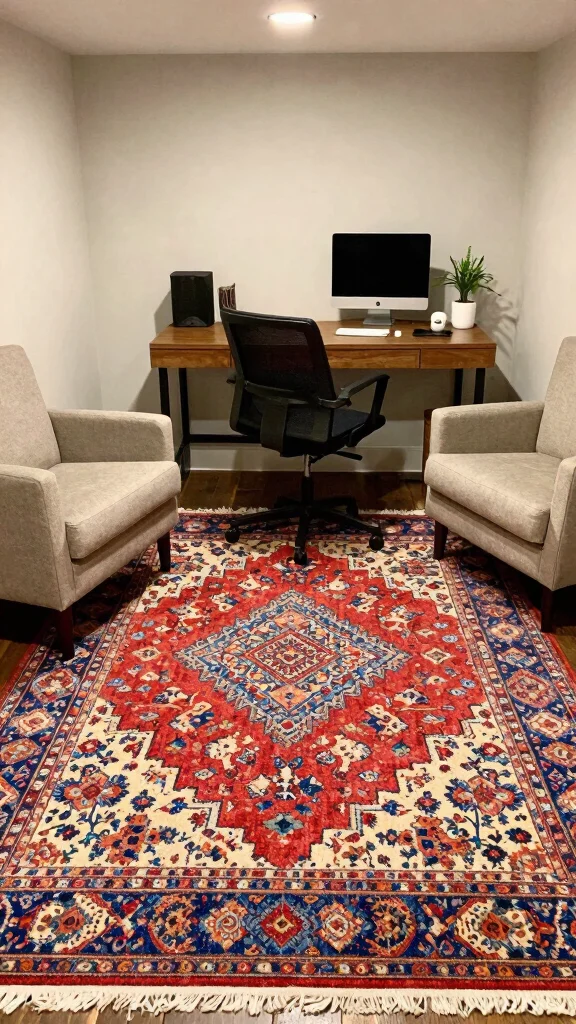
Rugs can be a game changer in small basements, helping to delineate various functional areas. They create visual boundaries that can separate workspaces from relaxation zones, making the layout more organized and inviting. Bright or patterned rugs can infuse personality and warmth into your space.
Consider layering rugs to add depth and texture, while still keeping distinct areas defined. This strategy enhances the acoustics of your basement, creating a cozier atmosphere that is perfect for both work and leisure.
Explore these rug ideas:
– Choose vibrant rugs to add character and warmth.
– Layer rugs for a textured, inviting look.
– Ensure rug sizes complement your furniture layout.
Rugs not only enhance the decor but also contribute to a comfortable and quiet environment. Thoughtful rug placement will make your basement feel more like a home.
You might also like
8. Invest in Good Lighting
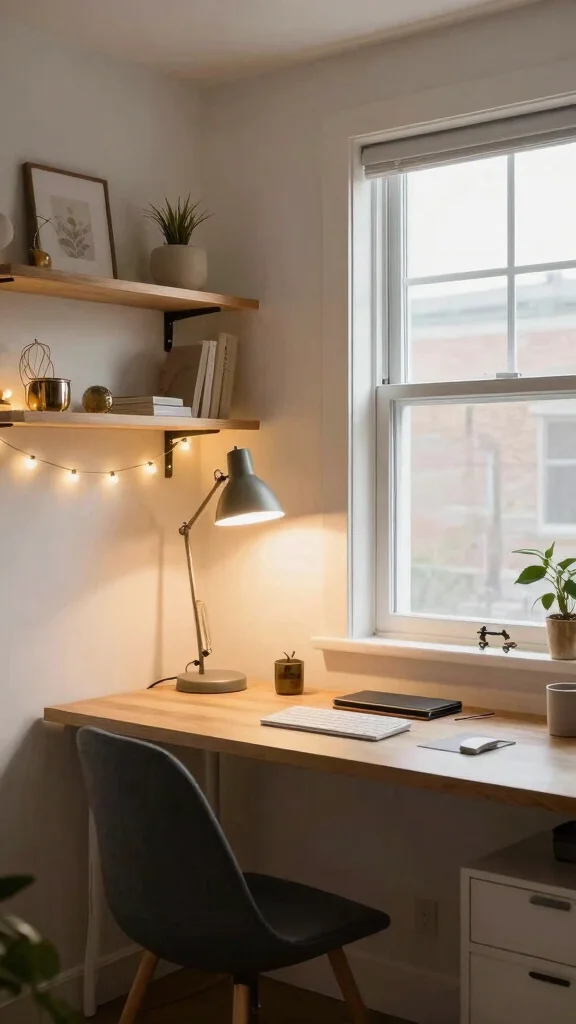
Lighting is crucial in transforming a small basement from gloomy to inviting. A blend of natural and artificial lighting creates a warm atmosphere that enhances the overall mood. Use task lighting, like desk lamps, to reduce eye strain while working, and add ambient lighting for a cozy feel.
Consider incorporating accent lighting to showcase art or architectural features in your basement. Layering your lighting options ensures the space remains bright and welcoming at all times, supporting productivity and comfort.
Implement these lighting strategies:
– Use task lamps for dedicated work areas.
– Add ambient fixtures for overall warmth.
– Highlight decor with accent lighting.
Good lighting fosters a positive atmosphere, making your basement a space you’ll want to spend time in. The right mix of light can dramatically enhance the functionality and aesthetic of your area.
Did you know that layering lighting in a small basement can boost perceived brightness by up to 50 percent without expanding the space? Combine natural daylight, task lighting, and cozy ambient light to reduce eye strain and create a welcoming, productive small basement ideas layout.
Recommended Products

【Easy to Clean & Low Maintenance】 Machine Washable Rug: Simply toss in the washer for a quick refresh(cold water recommended). Stain-Resistant & Quick-Dry: Easy to clean with a regular vacuum cleaner. Spills wipe clean easily with a towel or damp cloth. Retains Shape & Color: After repeated washing, the area rug still maintains bright colors, and reduces the troubles of difficult maintenance of traditional carpet, and makes home hygiene maintenance easier.

Durable & Premium Quality: Crafted from soft faux wool and top-notch recycled polyester fibers, our area rugs 8×10 boast robust, meticulously hand-wrapped edges. So Lbris's living room rugs 8×10 offer not just long-lasting durability and resistance to shedding, but also unparalleled comfort, making them ideal for high-traffic spots like living rooms and bedrooms

【Super Soft Area Rug】Our 8×10 area rugs are crafted from soft and high-density material that create a velvety texture, gently cushioning every step—like walking on a cloud. Featuring a modern abstract design with bold artistic print patterns, the beige rug adds a contemporary touch to any space. Ideal large rugs for living room, bedroom, dining room under tables, nurserys, or office.
9. Create a Cozy Lounge Area
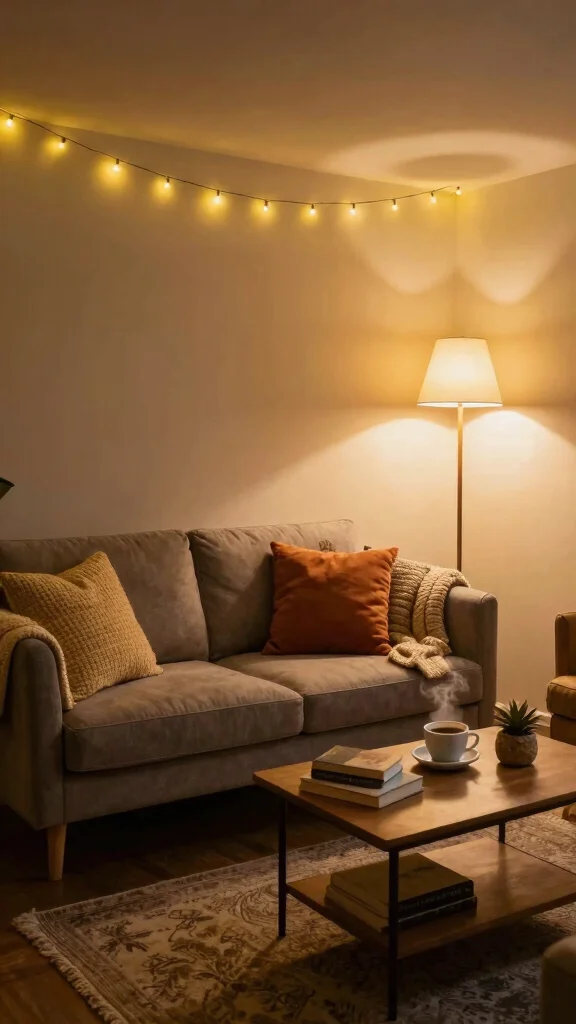
Designate a cozy corner in your basement as a lounge area for relaxation and breaks. This small retreat adds to the functionality of your space and enhances its flow. Choose comfortable seating options like bean bags, small loveseats, or even a hammock chair to create a welcoming nook.
Incorporate a coffee table for convenience, and use soft throws and cushions to make the area inviting. This cozy lounge can serve as a perfect spot for informal meetings or creative brainstorming, enriching the multi-functional appeal of your basement.
Consider these lounge ideas:
– Add comfy seating like bean bags or a small sofa.
– Include a table for drinks and snacks.
– Use soft textiles to enhance comfort.
This inviting nook provides a perfect place to relax and recharge, enhancing your basement’s versatility without requiring too much space. With thoughtful design, it can become a beloved feature of your home.
🗨️ Turn a small basement ideas layout into a cozy lounge corner—your quick reset in minutes. Add a comfy seating option, a coffee table, and soft throws to make the space inviting for informal meetings and quick brainstorming.
10. Optimize for Tech Needs
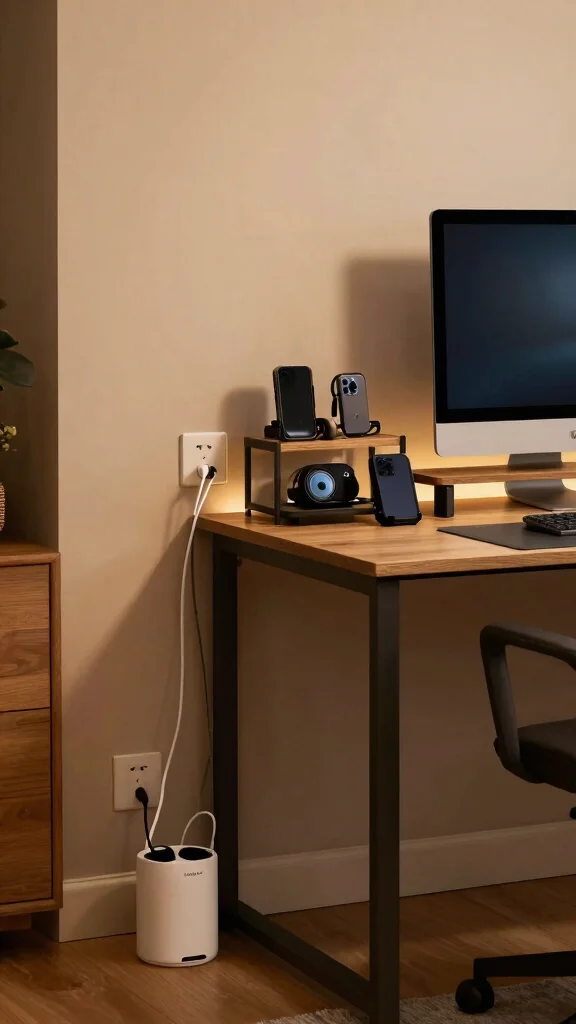
In today’s world, a tech-friendly environment is essential, especially in your basement workspace. Ensuring your area is equipped for technology can enhance both functionality and comfort. Consider built-in outlets for charging devices without cluttering your space with cords.
Utilize wire management solutions to hide cables effectively, keeping your workspace clean and organized. Strong Wi-Fi is crucial too, so think about using range extenders to ensure connectivity throughout your basement.
Implement these tech-friendly strategies:
– Install built-in outlets for hidden charging.
– Use cable management solutions to reduce clutter.
– Ensure a strong Wi-Fi signal with extenders.
A tech-optimized space significantly boosts productivity while maintaining stylish design. Integrating technology seamlessly into your layout creates a comfortable and efficient environment.
11. Use Art to Inspire
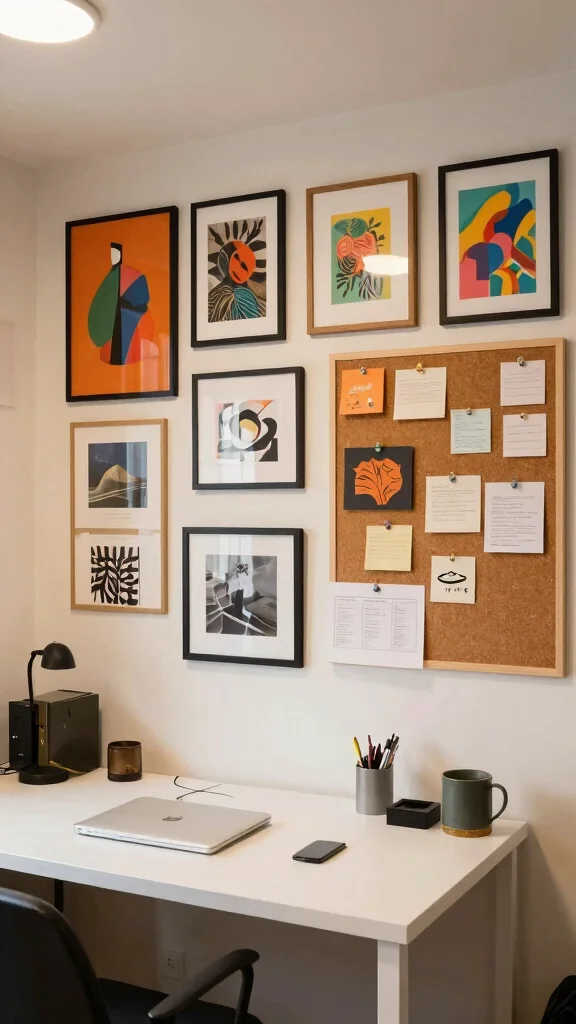
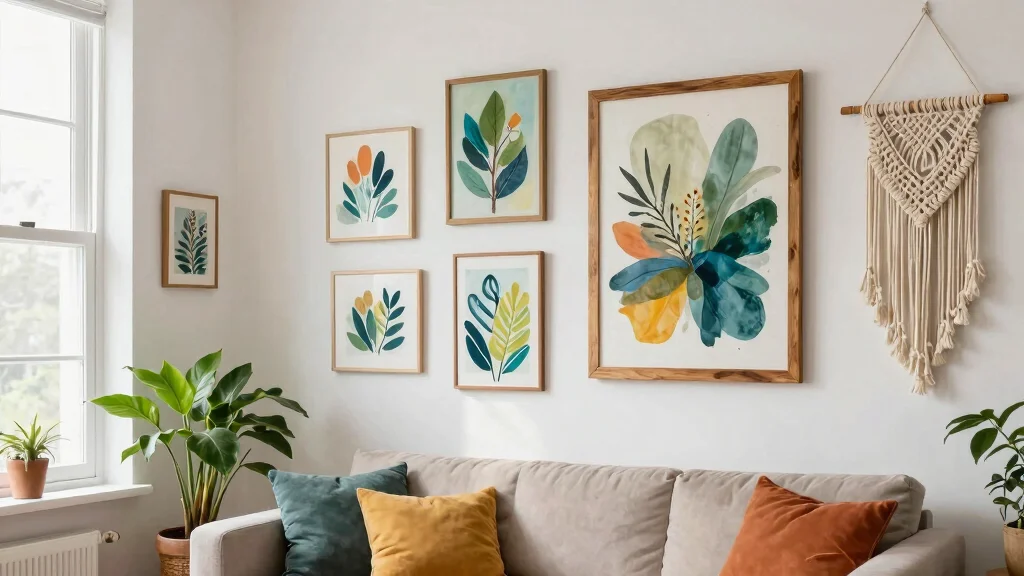
Art holds the power to influence your mood and creativity, especially in a basement workspace. Utilizing art can personalize your area while also inspiring you to be more productive. Hang pieces that resonate with you, whether they are prints, photography, or original works that spark joy.
Consider creating a mini gallery wall to showcase your collection or integrating functional art like chalkboards for notes and brainstorming. This approach emphasizes the importance of creativity in your environment, encouraging inspiration throughout your workday.
Explore these art integration ideas:
– Hang motivational pieces that resonate with you.
– Curate a gallery wall to showcase your favorites.
– Include functional art for practicality and flair.
Incorporating art not only beautifies your basement but also fosters a creative atmosphere. Thoughtful selections will keep you inspired and engaged in your tasks.
12. Choose the Right Flooring
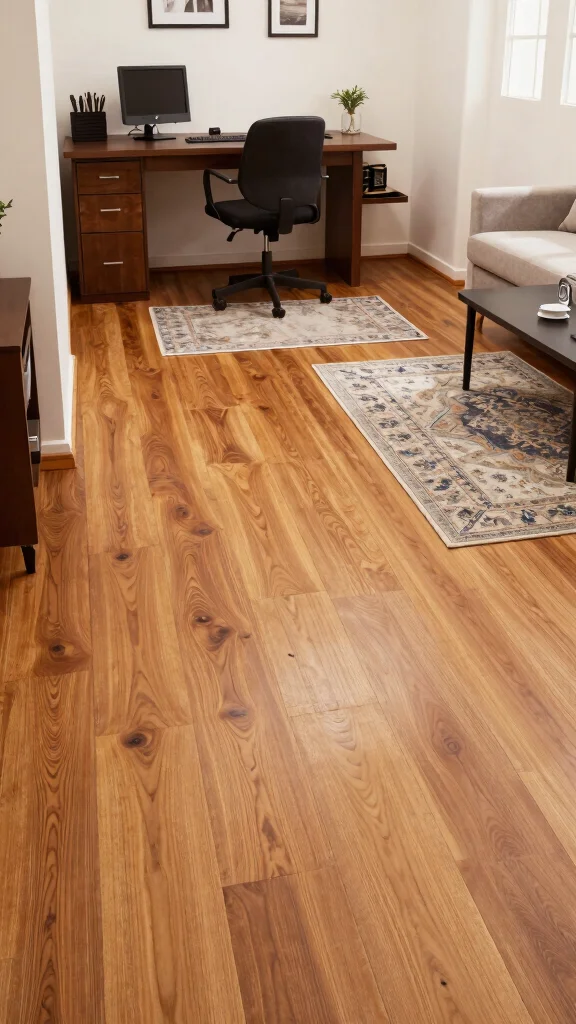
The flooring you choose can significantly impact the overall feel of your basement. Selecting the right materials is vital for both comfort and style. Carpet tiles provide a cozy option that allows for easy replacement, while vinyl or laminate flooring can offer a chic wood-like appearance.
Consider adding area rugs to soften hard surfaces and create warmth, making the space more inviting. This strategy not only enhances comfort but also improves the visual appeal of your basement, setting the right tone for your area.
Consider these flooring options:
– Use carpet tiles for warmth and easy maintenance.
– Opt for vinyl or laminate for a stylish, durable look.
– Layer rugs to add softness and character.
The right flooring makes your basement feel more like a livable space instead of just a basement. Prioritizing comfort and style will create a welcoming environment you enjoy spending time in.
13. Smart Use of Color and Patterns
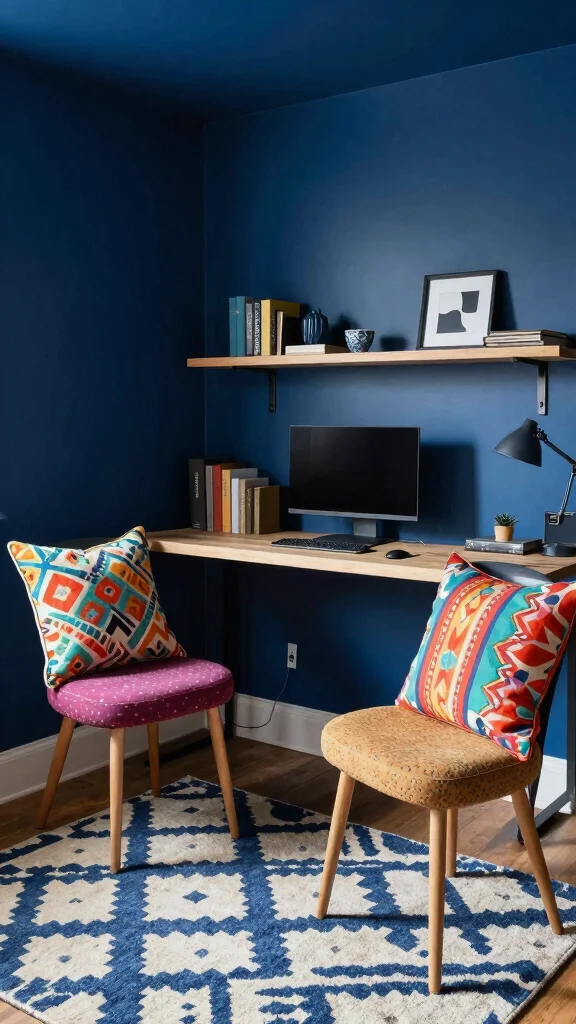
Utilizing color and patterns can dramatically elevate your small basement, transforming it from simple to stylish. Don’t hesitate to experiment with bold hues and unique designs! For instance, an accent wall in a vibrant color can draw attention and enhance depth, while patterned textiles can add character.
Accessories like curtains or throw pillows are easy to swap out for quick refreshes, allowing you to keep the space engaging without overwhelming it. This thoughtful approach aligns with design trends that celebrate individuality and creativity in home decor.
Try these color and pattern strategies:
– Create an accent wall with a bold hue.
– Incorporate patterned textiles for depth and interest.
– Use accessories for easy and impactful updates.
Smartly integrating color and patterns can maintain visual harmony while keeping the space lively. Each element should complement the others, creating a cohesive and inviting basement design.
14. Plan for Future Needs
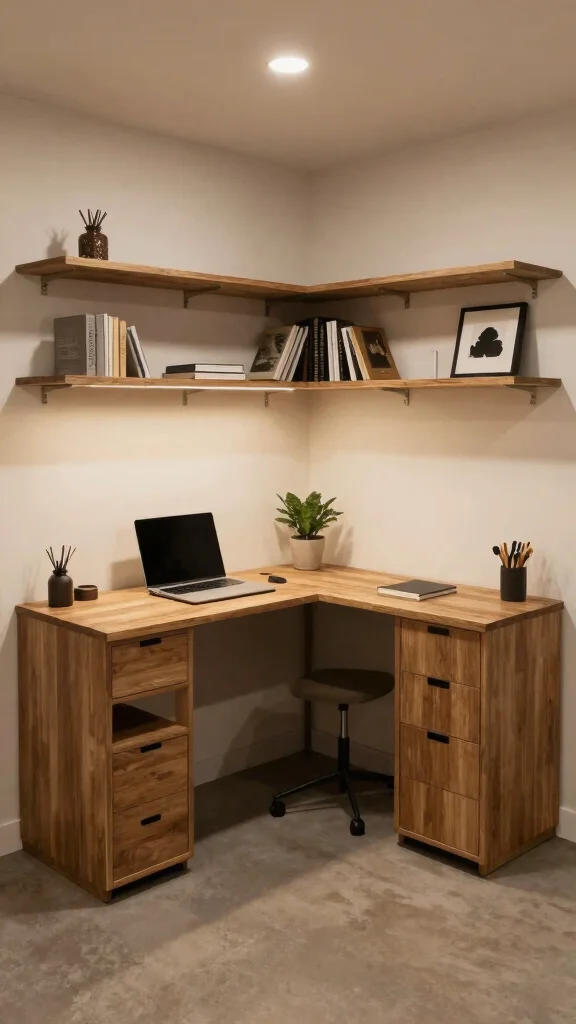
Designing your basement with future needs in mind is crucial for long-term functionality. A flexible layout can adapt as your lifestyle evolves, ensuring your space remains relevant and useful. Consider modular furniture that can be rearranged or expanded over time, accommodating changing requirements.
Leave some areas clear for potential additions, like extra seating or a larger desk. Regularly reassessing your space will help you make adjustments that align with your current needs and preferences.
Implement these planning strategies:
– Choose modular furniture for adaptability.
– Keep open areas for future needs.
– Regularly evaluate your space for necessary changes.
By planning ahead, your basement will serve you well for years to come, evolving seamlessly with your lifestyle while maintaining style and functionality.
15. Keep It Organized
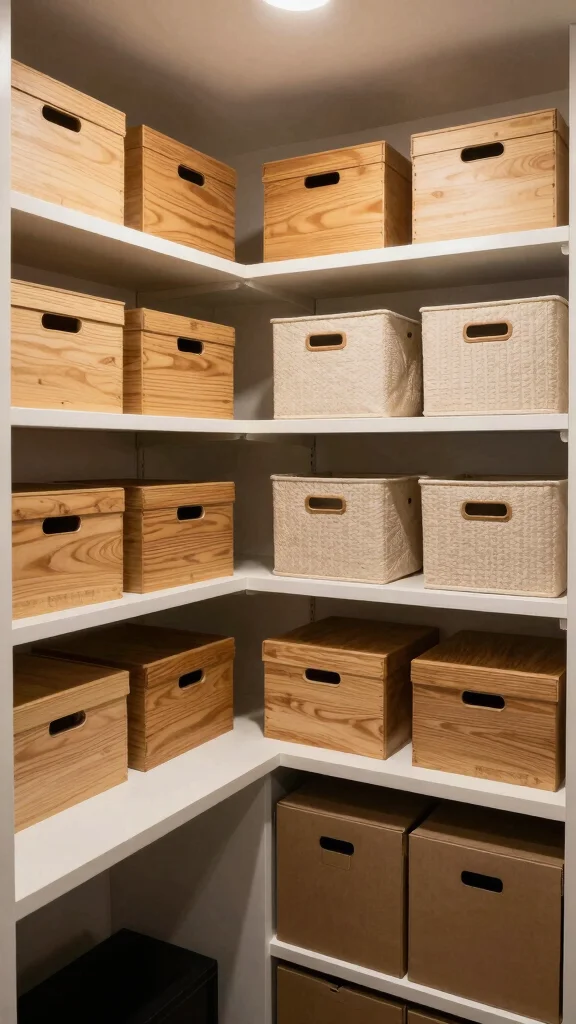
An organized basement is essential for maintaining productivity and comfort. Clutter can quickly overwhelm a small space, making it feel cramped. To combat this, utilize storage solutions like boxes, baskets, and filing cabinets to keep everything tidy and easily accessible.
Labeling items will allow for quick retrieval when needed, and regular decluttering will help you stay on top of any mess. This approach not only maximizes space but also fosters a sense of calm, allowing you to focus on your tasks.
Consider these organization strategies:
– Use bins and baskets for neat storage.
– Label items for quick access.
– Declutter regularly to maintain order.
An organized layout enhances your basement’s functionality, reducing stress and improving focus. Establishing routines for cleaning and organizing will ensure your space remains a pleasant haven for work and relaxation.
Keep it organized, and your small basement ideas layout can feel surprisingly spacious. Label boxes, baskets, and files, and do a quick weekly declutter to reclaim calm and focus.
Conclusion
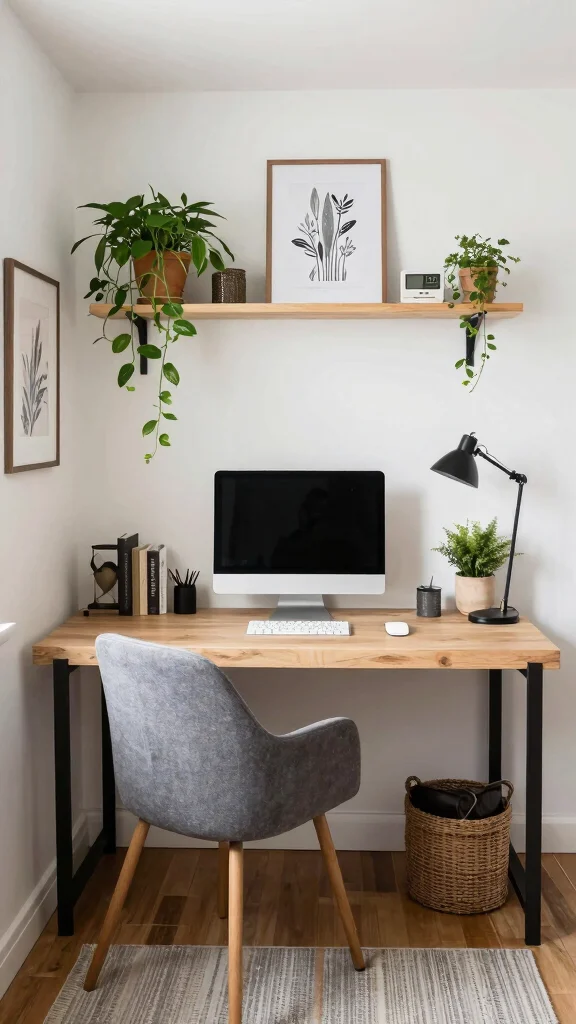
Designing a small basement is all about clever strategies that enhance flow and functionality. Each tip encourages you to think creatively and approach your space with a fresh perspective. Implement these ideas and watch your basement transform into a stunning and practical home office. The only limit is your imagination! Make the most of your space today and create a basement that reflects your unique style and needs.
Frequently Asked Questions
What are the best small basement ideas layout tips to improve flow?
Plan a small basement ideas layout that creates clear zones: a workspace, a cozy lounge, and hidden storage.
A light color palette, reflective surfaces, and consistent flooring improve flow and make the space feel larger—one of the key basement design ideas.
Opt for space-saving solutions like wall-mounted desks, corner desks, and built-in cabinets to keep walkways open and accessible.
Finally, arrange functional layouts that put frequently used items within reach and ensure smooth traffic from stairs to each zone.
How can I create a functional basement home office layout in a small space?
Kick off a functional basement home office layout within your small basement ideas layout.
Choose a compact, wall-mounted desk and floating shelves to maximize floor space and keep cords tidy.
Use vertical storage and closed cabinets to maintain a clean look, supporting basement organization.
Light the space well with layered lighting and a bright task lamp to boost focus and comfort.
What are some space-saving solutions to maximize a small basement without sacrificing style?
For a small basement ideas layout, focus on space-saving solutions that blend style and function.
Install built-in storage along walls and under stairs to hide items and free floor space.
Opt modular furniture, multi-functional pieces, and concealed storage to keep the room uncluttered.
Choose light, neutral colors and reflective surfaces to enhance brightness, a classic basement design ideas approach.
Don’t forget basement organization: label bins and create simple routines to maintain order.
Which basement design ideas help improve flow between living, working, and utility areas?
Think of the home as a map: use the small basement ideas layout to separate zones while preserving easy flow.
Create gentle traffic patterns with furniture placement that guides movement from stairs into each area.
Use rugs or lighting to delineate zones without heavy walls, a key tip in basement design ideas.
Keep the most-used zones near the primary entrances and ensure egress paths stay clear.
What interior decorating tips keep a basement feeling bright and spacious?
Use an airy palette in your small basement ideas layout to keep the space bright and inviting.
Incorporate interior decorating tips like layered lighting, white or pale walls, and glass accents to boost perceived space.
Add smart storage and basement organization strategies, so clutter doesn’t weigh down the room.
Finish with a few personal touches and plants to avoid the basement look being too clinical.
Recommended Products

What You Get: you will receive 16 peg board bin organizers, 16 matching hooks, 4 sticker labels, and 1 marker; The abundant quantity is enough to meet your daily storage needs and keep your tools organized
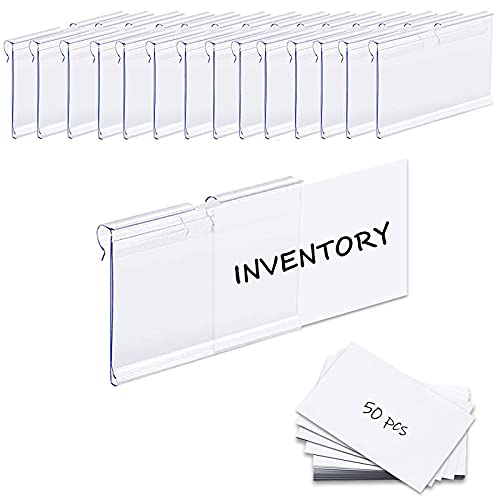
Widly Used Labels:Labels for storage bins,bin labels,fabric bin labels,basket labels,file boxes labels. Wire Shelf Price Tags in Retail store,Supermarket.Clip on labels for warehouse shelving,shop shelving.TIPS:DO NOT APPLY to ALL TYPES of WICKER BASKETS,Only for thicknesses less than 0.6 cm/0.24 inch

【EFFICIENT ORGANIZATION】- Meetory 50 pack basket label holders are designed to fit wire shelves, providing the perfect solution for organizing your wire shelf units. Easily display important information in a clear and simple way.(INCLUDES 50PCS 2.17" x 1.38" LABEL PAPER)
Related Topics
small basement ideas layout
basement design ideas
space-saving solutions
functional layouts
interior decorating tips
home office decor
organizational strategies
DIY basement
beginner friendly
modern basement
small spaces
home improvement
Leave a Reply